Xanax For Anxiety
CategoriesPills

Xanax For Anxiety

Xanax: Uses, Benefits, Risks, and What You Need to Know

Introduction

Xanax, the brand name for alprazolam, belongs to the benzodiazepine drug class. Doctors prescribe it primarily for generalized anxiety disorder (GAD) and panic disorder, including cases with agoraphobia. While Xanax can be highly effective in reducing symptoms of anxiety, its potential for dependence, misuse, and withdrawal makes it a controlled substance in most countries. Buy IndusClean Multi Cleaner

What Is Xanax?

  • Generic name: Alprazolam
  • Drug class: Benzodiazepine (anxiolytic)
  • Form: Oral tablets (immediate release and extended release)
  • Availability: Prescription only; controlled substance

Xanax works by enhancing the activity of GABA (gamma‑aminobutyric acid), a neurotransmitter that calms brain activity. This leads to reduced anxiety, muscle relaxation, and sedation.

Medical Uses of Xanax

Doctors prescribe Xanax for:

  • Generalized Anxiety Disorder (GAD): Persistent worry and tension.
  • Panic Disorder: Sudden episodes of intense fear, sometimes with agoraphobia.
  • Anxiety linked to depression: Short‑term relief of symptoms.

In rare cases, Xanax may be used off‑label for insomnia or short‑term stress management, though this is less common.

Benefits of Xanax

  • Rapid relief: Works within 30–60 minutes.
  • Effective for panic attacks: Reduces severity and frequency.
  • Short‑term aid: Helps patients manage acute anxiety episodes.
  • Improves quality of life: When used correctly, it can restore daily functioning.

Risks and Side Effects

Despite its benefits, Xanax carries significant risks:

  • Common side effects: Drowsiness, dizziness, memory problems, difficulty concentrating.
  • Serious risks: Dependence, withdrawal symptoms, overdose.
  • Interactions: Dangerous when combined with alcohol, opioids, or other sedatives.
  • Withdrawal: Symptoms include rebound anxiety, insomnia, tremors, and seizures if stopped abruptly.

Comparison Table

Aspect Details
Primary use Anxiety & panic disorders
Onset of action 30–60 minutes
Duration 6–12 hours (IR), up to 24 hours (XR)
Benefits Rapid relief, effective for panic
Risks Dependence, withdrawal, overdose
Legal status Controlled substance (varies by country)

Misuse and Addiction Potential

Xanax is one of the most commonly misused prescription drugs. Because it produces calming and euphoric effects, some people take higher doses than prescribed or obtain it illegally. Misuse can lead to:

  • Tolerance (needing more to feel the same effect).
  • Dependence (body adapts, withdrawal occurs when stopping).
  • Addiction (compulsive use despite harm).

This is why Xanax is classified as a Schedule IV controlled substance in the U.S. and tightly regulated globally.

Safer Alternatives to Xanax

Doctors may recommend alternatives depending on the patient’s condition:

  • SSRIs (Selective Serotonin Reuptake Inhibitors): e.g., sertraline, fluoxetine.
  • SNRIs (Serotonin‑Norepinephrine Reuptake Inhibitors): e.g., venlafaxine.
  • Buspirone: Non‑benzodiazepine anxiolytic.
  • Therapy: Cognitive Behavioral Therapy (CBT) is highly effective for anxiety.
  • Lifestyle changes: Exercise, mindfulness, sleep hygiene.

Key Takeaways

  • Xanax is effective but risky: It provides fast relief for anxiety and panic but carries high dependence potential.
  • Medical supervision is essential: Never start, stop, or adjust Xanax without a doctor’s guidance.
  • Safer alternatives exist: SSRIs, therapy, and lifestyle changes can provide long‑term relief without the same risks.
  • Public awareness matters: Misuse of Xanax is a growing concern, making education critical.

Conclusion

Xanax (alprazolam) remains a powerful tool in managing anxiety and panic disorders, but it is not a cure‑all. Its effectiveness must be weighed against the risks of dependence and misuse. Patients should always consult healthcare professionals before using Xanax and explore safer alternatives for long‑term management.

By understanding what Xanax is, how it works, and its risks, readers can make informed choices and avoid the dangers of misuse.

History of Xanax

Xanax was first approved by the U.S. Food and Drug Administration (FDA) in 1981. It quickly became one of the most prescribed medications for anxiety disorders due to its rapid onset and effectiveness. By the 1990s and early 2000s, Xanax had gained widespread recognition not only in medical circles but also in popular culture. References in music, movies, and media often portrayed Xanax as a “quick fix” for stress, which contributed to its misuse. Buy Doozies Marionberry Gummies 2:1

Today, Xanax remains one of the most prescribed benzodiazepines, but medical professionals emphasize short‑term use only due to the risks of dependence.

Cultural Impact of Xanax

Xanax has become a symbol of modern stress and anxiety management. Unfortunately, its portrayal in pop culture often glamorizes misuse. Songs, social media posts, and celebrity references sometimes normalize recreational use, which can mislead younger audiences.

This cultural visibility has led to:

  • Increased demand in non‑medical settings.
  • Counterfeit pills sold illegally, often laced with dangerous substances like fentanyl.
  • Public health campaigns warning against misuse and promoting safer alternatives.

Managing Withdrawal Safely

Stopping Xanax suddenly can be dangerous. Doctors recommend a gradual tapering process to reduce withdrawal symptoms. Common strategies include:

  • Medical supervision: Doctors adjust dosage slowly over weeks or months.
  • Supportive therapy: Counseling and CBT help patients manage anxiety without medication.
  • Alternative medications: SSRIs or buspirone may replace Xanax during tapering.
  • Lifestyle support: Exercise, meditation, and sleep hygiene reduce withdrawal discomfort.

Withdrawal symptoms may include:

  • Rebound anxiety
  • Insomnia
  • Tremors
  • Sweating
  • Seizures (in severe cases)

This highlights why professional guidance is essential when discontinuing Xanax.

Xanax vs. Other Benzodiazepines

Drug Onset Duration Common Use Risk Level
Xanax (Alprazolam) 30–60 min 6–12 hrs Anxiety, panic High dependence
Valium (Diazepam) 30–60 min 20–70 hrs Anxiety, muscle spasms Moderate
Ativan (Lorazepam) 20–30 min 10–20 hrs Anxiety, seizures High
Klonopin (Clonazepam) 20–40 min 18–50 hrs Panic, seizures High

This comparison shows Xanax’s shorter duration, which partly explains why patients may take it more frequently, increasing dependence risk.

Frequently Asked Questions (FAQs)

1. Is Xanax addictive? Yes. Even at prescribed doses, long‑term use can lead to dependence.

2. How long does Xanax stay in your system? Typically 6–12 hours for immediate release, up to 24 hours for extended release.

3. Can Xanax be used for sleep? Doctors may prescribe it short‑term for insomnia, but safer alternatives exist.

4. What happens if you mix Xanax with alcohol? This combination is extremely dangerous, increasing the risk of overdose and respiratory depression.

5. Are there natural alternatives to Xanax? Yes — meditation, yoga, herbal supplements (like chamomile or valerian root), and therapy can help manage anxiety.

Final Thoughts

Xanax remains a powerful medication for anxiety and panic disorders, but its risks cannot be ignored. While it offers rapid relief, misuse and dependence are serious concerns. Patients should always follow medical advice, avoid recreational use, and explore safer long‑term alternatives.

CategoriesPills

Buy MDMA Pills

Buy MDMA Pills: An Educative Guide to Ecstasy and Molly

MDMA, commonly known as Ecstasy or Molly, is a synthetic psychoactive drug that has gained global attention for its unique effects on mood, perception, and social behavior. While often associated with nightlife and rave culture, MDMA is also being studied in clinical settings for its potential therapeutic benefits. This blog post provides an SEO‑optimized, educational overview of MDMA pills, exploring their history, effects, risks, and ongoing medical research. Buy Tramadol Online

What Are MDMA Pills?

  • MDMA (3,4‑methylenedioxymethamphetamine) is a synthetic drug chemically similar to stimulants like methamphetamine and hallucinogens like mescaline.
  • When pressed into tablets, MDMA is commonly referred to as Ecstasy. In powder or crystalline form, it is often called Molly.
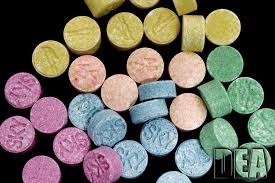
  • Pills may come in various colors, shapes, and imprints (such as logos or symbols), which are often used for branding in illicit markets.

A Brief History of MDMA

  • 1912: First synthesized by the German pharmaceutical company Merck.
  • 1970s–1980s: Gained popularity in psychotherapy for its ability to enhance emotional openness.
  • 1985: Classified as a Schedule I controlled substance in the United States, making it illegal for recreational use.
  • 1990s–2000s: Became a staple in rave and electronic dance music culture.
  • Present day: Being researched as a potential treatment for post‑traumatic stress disorder (PTSD) and other mental health conditions.

How MDMA Pills Work

MDMA primarily affects the brain’s neurotransmitters:

  • Serotonin: Boosts mood, empathy, and emotional closeness.
  • Dopamine: Increases energy and pleasure.
  • Norepinephrine: Raises heart rate and blood pressure.

This combination explains why users often report feelings of euphoria, heightened empathy, and sensory enhancement.

Short‑Term Effects of MDMA Pills

  • Positive effects: Increased sociability, emotional warmth, heightened sensory perception, and energy.
  • Negative effects: Anxiety, nausea, sweating, jaw clenching, blurred vision, and insomnia.
  • Dangerous risks: Dehydration, overheating (hyperthermia), and electrolyte imbalance, especially in crowded party environments.

Long‑Term Risks of MDMA Use

  • Neurotoxicity: Repeated use may damage serotonin neurons, affecting mood regulation.
  • Memory and cognition: Some studies suggest long‑term users experience difficulties with memory and learning.
  • Mental health: Increased risk of depression, anxiety, and sleep disturbances.
  • Physical health: Potential liver, kidney, and cardiovascular damage.

MDMA Pills and Adulteration

One of the greatest dangers of MDMA pills is adulteration:

  • Pills sold as “Ecstasy” may contain other substances such as methamphetamine, caffeine, ketamine, or synthetic cathinones (“bath salts”).
  • This makes the effects unpredictable and increases the risk of overdose or harmful interactions.

MDMA in Medical Research

Despite its risks, MDMA is being studied for therapeutic use:

  • PTSD treatment: Clinical trials show MDMA‑assisted psychotherapy may help patients process traumatic memories with reduced fear and anxiety.
  • Couples therapy: Some research explores MDMA’s ability to enhance empathy and communication.
  • FDA breakthrough therapy designation: In 2017, MDMA‑assisted therapy for PTSD received this designation, highlighting its potential medical value.

Harm Reduction and Safety Tips

While MDMA remains illegal in most countries, harm reduction strategies are important:

  • Testing kits: Reagent kits can help identify adulterants in pills.
  • Hydration: Drink water regularly, but avoid overhydration.
  • Environment: Take breaks from dancing to cool down.
  • Dosage awareness: Avoid mixing with alcohol or other drugs.

Legal Status of MDMA Pills

  • United States: Classified as a Schedule I drug (no accepted medical use, high potential for abuse).
  • Europe: Illegal in most countries, though penalties vary.
  • Global perspective: Some nations are exploring medical research exemptions for clinical trials. Buy Doozies Gummies

MDMA pills, known as Ecstasy or Molly, are powerful psychoactive substances that can profoundly alter mood, perception, and social behavior. While they carry significant risks, especially due to adulteration and long‑term health effects, MDMA is also being studied for its potential therapeutic benefits in treating PTSD and other conditions. Understanding both the dangers and the possibilities of MDMA is essential for informed decision‑making and public health awareness. Buy AK-47 Adios Liquid Spray On Paper

MDMA Pills in Popular Culture

MDMA pills have long been associated with nightlife, rave culture, and electronic dance music festivals. In the 1990s and early 2000s, Ecstasy became a symbol of the underground club scene, often linked to all‑night dancing, neon lights, and communal experiences. The drug’s ability to enhance empathy and connection made it popular among groups seeking shared emotional highs.

However, this cultural association also contributed to stigmatization. Media portrayals often emphasized extreme cases of overdose or dangerous behavior, overshadowing nuanced discussions about the drug’s effects and potential therapeutic uses. Today, MDMA remains a cultural touchstone, referenced in music, film, and art, but increasingly framed within conversations about mental health and scientific research.

Myths vs Facts About MDMA Pills

There are many misconceptions surrounding MDMA pills:

  • Myth: MDMA is always pure. Fact: Pills sold as Ecstasy often contain adulterants, making them unpredictable and risky.
  • Myth: MDMA is safe because it’s “just a party drug.” Fact: MDMA can cause dehydration, overheating, and long‑term neurological effects.
  • Myth: MDMA leads to immediate addiction. Fact: While MDMA is not considered as addictive as opioids or stimulants, repeated use can lead to psychological dependence and tolerance.
  • Myth: MDMA has no medical value. Fact: Clinical trials show promise for MDMA‑assisted therapy in treating PTSD and other conditions.

By separating myths from facts, individuals can make more informed decisions and understand both the risks and potential benefits of MDMA.

Global Perspectives on MDMA Pills

The legal and cultural status of MDMA varies worldwide:

  • United States: Classified as a Schedule I drug, but clinical trials are advancing toward possible medical approval.
  • Europe: Countries like the Netherlands and Switzerland allow limited research, while recreational use remains illegal.
  • Australia & Canada: Increasing interest in MDMA‑assisted therapy, with regulatory bodies reviewing trial data.
  • Asia & Africa: Strict prohibition, with severe penalties for possession or trafficking.

This global diversity highlights the tension between public health concerns and scientific exploration. While recreational use is widely discouraged, medical research continues to reshape the conversation.

The Future of MDMA Pills

Looking ahead, MDMA pills may play a role in transforming mental health treatment. If approved for medical use, MDMA‑assisted therapy could become a breakthrough for conditions like PTSD, where traditional treatments have limited success. At the same time, public health campaigns will need to address recreational risks, emphasizing harm reduction and education.

The future of MDMA lies in balancing scientific promise with responsible regulation. As research progresses, society may move beyond viewing MDMA solely as a party drug, recognizing its potential as a therapeutic tool while maintaining awareness of its dangers.

Final Thoughts

MDMA pills — whether called Ecstasy or Molly — remain one of the most discussed psychoactive substances in the world. Their dual identity as both a recreational drug and a potential medicine


3,4-MDMA; Ecstasy Molly; Mandy

Tramadol painkiller risks and benefits infographic
CategoriesPills,  purchase tramadol online

Tramadol Painkiller Risks and Benefits

Tramadol: Uses, Risks, and What You Need to Know

Introduction

Tramadol Painkiller Risks and Benefits- Tramadol is one of the most prescribed opioid painkillers worldwide. Marketed as a “safer” alternative to stronger opioids, it has been used for decades to treat moderate to moderately severe pain. However, recent research suggests that Tramadol’s reputation may not match reality. While it can provide some relief, the benefits are often modest, and the risks—including heart problems and dependence—are significant. Buy Tramadol Online

This article explores what Tramadol is, how it works, its benefits, risks, and safer alternatives, giving you a complete picture of this controversial medication.

What is Tramadol?

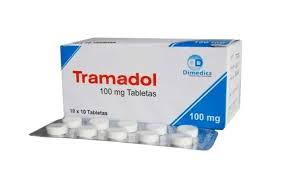
  • Definition: Tramadol is a synthetic opioid analgesic.
  • Mechanism: It binds to opioid receptors in the brain and also inhibits serotonin and norepinephrine reuptake, altering how the body perceives pain.
  • Common Uses: Prescribed for chronic pain conditions such as arthritis, back pain, fibromyalgia, and post‑surgical recovery. Buy Gamma-Butyrolactone
  • Forms: Available in tablets, capsules, and extended‑release formulations.

Tramadol Painkiller Risks and Benefits

Despite growing concerns, Tramadol does have recognized medical uses:

  • Pain Relief: Provides short‑term reduction in moderate pain.
  • Accessibility: Widely available and often prescribed when other painkillers fail.
  • Dual Action: Works both as an opioid and as a serotonin/norepinephrine reuptake inhibitor, which some doctors believe makes it versatile.
  • Perceived Safety: Marketed as less addictive compared to stronger opioids like morphine or oxycodone.

Risks and Side Effects

Recent large‑scale reviews show that Tramadol’s potential harms may outweigh its benefits.

Common Side Effects

  • Nausea
  • Dizziness
  • Sleepiness
  • Constipation

Serious Risks

  • Limited Effectiveness: Studies reveal pain relief is modest, sometimes barely noticeable.
  • Heart Risks: Linked to chest pain, heart failure, and other cardiovascular issues.
  • Dependence and Withdrawal: Despite being considered “safer,” Tramadol can still cause addiction and withdrawal symptoms.
  • Seizures: Higher doses increase the risk of seizures.
  • Serotonin Syndrome: When combined with antidepressants, Tramadol can cause dangerous serotonin overload.

Expert Warnings

A major review published in BMJ Evidence‑Based Medicine concluded that Tramadol may do more harm than good. Researchers found:

  • Pain relief was minimal—so small that many patients likely wouldn’t notice much real‑world benefit.
  • Risks included significantly higher chances of heart disease, chest pain, and heart failure.
  • The potential harms probably outweigh the benefits, leading experts to recommend minimizing Tramadol’s use. Buy 500 Pages K2 Spice Spray Book

Tramadol vs. Other Painkillers

Painkiller Effectiveness Risks Typical Use
Tramadol Modest pain relief Heart risks, dependence, seizures Chronic moderate pain
Ibuprofen Effective for inflammation Stomach irritation, ulcers Arthritis, muscle pain
Acetaminophen Good for mild pain Liver damage at high doses Headaches, mild pain
Morphine Strong pain relief High addiction risk Severe pain, cancer pain
CBD (where legal) Promising for chronic pain Mild side effects Alternative therapy

Safer Alternatives

Patients and healthcare providers are exploring alternatives to Tramadol:

  • Non‑opioid painkillers: Ibuprofen, acetaminophen.
  • Physical therapy: Exercise, stretching, and rehabilitation.
  • Lifestyle changes: Diet, stress reduction, sleep hygiene.
  • Other medications: CBD‑based treatments in regions where legal.
  • Multimodal pain management: Combining physical therapy, counseling, and non‑opioid drugs.

Patient Considerations

If you are prescribed Tramadol:

  • Consult your doctor: Never start or stop Tramadol without medical advice.
  • Avoid mixing with alcohol or antidepressants: This increases risks of seizures and serotonin syndrome.
  • Monitor side effects: Report chest pain, dizziness, or unusual symptoms immediately.
  • Short‑term use only: Experts recommend limiting Tramadol to short courses, not long‑term therapy.

Conclusion

Tramadol remains a common prescription, but growing evidence suggests caution. Its modest pain relief may not justify the risks, especially with safer alternatives available. Recent studies conclude that Tramadol’s harms probably outweigh its benefits.

If you’re considering Tramadol, consult a healthcare professional to weigh the benefits against potential harms. Safer alternatives like non‑opioid painkillers, physical therapy, and lifestyle changes may provide better long‑term relief without the risks. Buy Doozies Gummies Online

Tramadol Painkiller: Complete Guide to Uses, Risks, Side Effects, Addiction Concerns, Heart Health Warnings, Safer Alternatives, and Expert Insights for Managing Chronic Pain Effectively Without Relying on High‑Risk Opioid Medications

Global Use and History of Tramadol

Tramadol was first developed in Germany in the late 1970s and quickly gained popularity as a “safer” opioid alternative. By the 1990s, it had spread worldwide, marketed under brand names such as Ultram and ConZip. Its appeal came from claims that it was less addictive than morphine, making it a go‑to prescription for chronic pain.

However, as usage grew, so did reports of dependence, withdrawal, and misuse. In some countries, Tramadol became a major public health issue, with rising cases of recreational abuse. For example, in parts of Africa and the Middle East, Tramadol is widely misused as a stimulant or mood enhancer, leading to tighter regulations.

⚖️ Legal Status and Regulation

  • United States: Classified as a Schedule IV controlled substance, meaning it has recognized medical use but carries risk of abuse.
  • European Union: Regulations vary, but many countries restrict prescriptions due to safety concerns.
  • Africa & Asia: In several regions, Tramadol is tightly controlled because of widespread misuse.

This patchwork of regulations reflects the controversy around Tramadol: some doctors see it as a useful tool, while public health experts warn of its dangers.

👩‍⚕️ Patient Perspectives

Patients often report mixed experiences:

  • Some find Tramadol provides relief when other painkillers fail.
  • Others experience side effects like dizziness, nausea, or withdrawal symptoms after stopping.
  • A growing number of patients feel misled, believing Tramadol was “safe,” only to discover its addictive potential.

These stories highlight the importance of patient education. Many experts argue that patients should be fully informed about risks before starting Tramadol.

Why Tramadol Remains Popular

Despite warnings, Tramadol continues to be prescribed because:

  • It’s cheaper than many alternatives.
  • Doctors sometimes see it as a middle ground between mild painkillers and stronger opioids.
  • Pharmaceutical marketing historically emphasized its “safety,” shaping perceptions among both doctors and patients.

 Final Thoughts

Tramadol’s journey from “safe opioid” to “controversial painkiller” shows how medical reputations can change with new evidence. While it still has a role in pain management, its risks—including heart problems, dependence, and limited effectiveness—make it a drug that should be used cautiously and only under strict medical supervision.

For patients, the key takeaway is clear: always consult a healthcare professional, explore safer alternatives, and weigh short‑term relief against long‑term risks.


Add to cart