
Alpha‑PiHP: Understanding a Synthetic Cathinone
Introduction
Alpha‑PiHP (α‑Pyrrolidinohexiophenone) is a synthetic cathinone that has appeared in forensic and toxicological reports as part of the growing class of novel psychoactive substances (NPS). These compounds are often referred to as “designer drugs” because they are chemically engineered to mimic the effects of controlled stimulants while initially evading regulation. Alpha‑PiHP has been studied for its pharmacological profile, risks, and prevalence in unregulated drug markets. Buy Buy MIPT Research Chemical
This blog post provides an educational overview of alpha‑PiHP, answering key WH questions to help readers understand what it is, why it matters, and how it is being addressed by researchers and policymakers.
What is Alpha‑PiHP?
Alpha‑PiHP, also known as α‑Pyrrolidinoisohexanophenone, is a stimulant drug belonging to the cathinone class. Cathinones are chemically related to cathinone, a naturally occurring stimulant found in the khat plant. Alpha‑PiHP acts as a norepinephrine‑dopamine reuptake inhibitor (NDRI), meaning it increases levels of these neurotransmitters in the brain, leading to stimulant effects.
Chemical Profile of Alpha‑PiHP
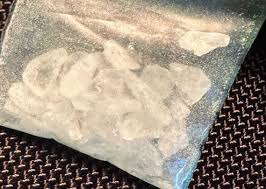
Chemists identify alpha‑PiHP with the formula C16H23NO and a molar mass of 245.36 g/mol. People usually encounter it as a white powder or crystalline solid.
Who Encounters Alpha‑PiHP?
Regulators have not approved alpha‑PiHP for medical use. Law enforcement, forensic scientists, and public health researchers most often encounter it when they investigate unregulated drug markets or analyze toxicology cases.
- Law enforcement agencies: during seizures of unregulated psychoactive substances.
- Forensic toxicologists: analyzing biological samples in cases of suspected intoxication.
- Public health researchers: studying the impact of synthetic cathinones on communities.
- Policy makers: considering scheduling and regulation of emerging substances.
Consumers who encounter alpha‑PiHP are typically individuals seeking stimulant effects similar to other synthetic cathinones. However, because it is unregulated, its purity, dosage, and safety are highly uncertain.
Where is Alpha‑PiHP Found?
Researchers and law enforcement agencies detect Alpha‑PiHP in Europe, North America, and Asia, where sellers often market it online as a “research chemical.” Distributors sometimes mislabel the product or mix it with other substances, which increases the risks for consumers.
Since regulators have not legally approved alpha‑PiHP, unregulated markets distribute it, making its availability unpredictable and potentially dangerous.
This makes it difficult to track, and increases risks for consumers who may not know what they are ingesting.
Why is Alpha‑PiHP Important to Study?
Studying alpha‑PiHP is critical for several reasons:
- Public Health Risks: Synthetic cathinones can cause severe cardiovascular, neurological, and psychological effects.
- Forensic Identification: Detecting alpha‑PiHP in biological samples helps medical professionals respond to intoxication cases.
- Drug Policy: Understanding its prevalence informs regulatory decisions.
- Scientific Knowledge: Research into alpha‑PiHP expands understanding of synthetic cathinone chemistry and pharmacology.
The World Health Organization (WHO) reviewed alpha‑PiHP in 2022, noting its presence in unregulated markets and potential risks.
When Did Alpha‑PiHP Emerge?
Alpha‑PiHP began appearing in forensic case reports in the mid‑2010s, alongside other synthetic cathinones such as α‑PVP and α‑PHP. Its emergence coincided with the rise of novel psychoactive substances (NPS) marketed online as “legal highs.”
By 2022, more than 1,100 NPS had been identified globally, with alpha‑PiHP among them.
How Does Alpha‑PiHP Work?
Alpha‑PiHP acts as a stimulant by inhibiting the reuptake of dopamine and norepinephrine. Reported effects include:
- Increased alertness and energy
- Elevated heart rate and blood pressure
- Euphoria or agitation
However, adverse effects may include:
- Anxiety, paranoia, or hallucinations
- Cardiovascular stress
- Risk of overdose
Because alpha‑PiHP is unregulated, its dosage and purity vary widely, making its effects unpredictable and potentially dangerous.
Legal Status of Alpha‑PiHP
Alpha‑PiHP is controlled under various national laws:
- Brazil: Class F2 (Prohibited psychotropics)
- Canada: Schedule I
- Germany: Anlage II (authorized trade only, not prescribable)
- United Kingdom: Class B
-
International Regulation of Alpha‑PiHP
International authorities list alpha‑PiHP under Schedule II of the 1971 Convention on Psychotropic Substances. This classification highlights its controlled status and the global concern surrounding its use.
Risks and Challenges
Alpha‑PiHP poses several risks, including:
- Unregulated distribution: Sellers often mislabel products or contaminate them with other substances, creating serious safety concerns.
Health risks: Cardiovascular and neurological effects can be severe.
- Legal consequences: Possession or sale may be illegal depending on jurisdiction.
- Lack of research: Limited scientific data makes it difficult to fully understand long‑term effects.
Conclusion
Alpha‑PiHP is a synthetic cathinone that has emerged as part of the growing wave of novel psychoactive substances. While it acts as a stimulant, its unregulated nature, unpredictable effects, and legal restrictions make it a substance of concern for public health, law enforcement, and policymakers.
This blog post answers the WH questions — What alpha‑PiHP is, Who encounters it, Where it is found, Why it matters, When it emerged, and How it works — and delivers a comprehensive, SEO‑optimized overview that helps readers understand the risks and significance of this compound. Buy K2 Spice Paper Online