
Buy MDMA Pills: An Educative Guide to Ecstasy and Molly
MDMA, commonly known as Ecstasy or Molly, is a synthetic psychoactive drug that has gained global attention for its unique effects on mood, perception, and social behavior. While often associated with nightlife and rave culture, MDMA is also being studied in clinical settings for its potential therapeutic benefits. This blog post provides an SEO‑optimized, educational overview of MDMA pills, exploring their history, effects, risks, and ongoing medical research. Buy Tramadol Online
What Are MDMA Pills?
- MDMA (3,4‑methylenedioxymethamphetamine) is a synthetic drug chemically similar to stimulants like methamphetamine and hallucinogens like mescaline.
- When pressed into tablets, MDMA is commonly referred to as Ecstasy. In powder or crystalline form, it is often called Molly.
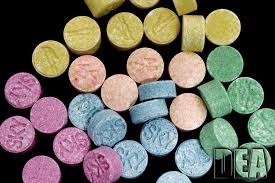
- Pills may come in various colors, shapes, and imprints (such as logos or symbols), which are often used for branding in illicit markets.
A Brief History of MDMA
- 1912: First synthesized by the German pharmaceutical company Merck.
- 1970s–1980s: Gained popularity in psychotherapy for its ability to enhance emotional openness.
- 1985: Classified as a Schedule I controlled substance in the United States, making it illegal for recreational use.
- 1990s–2000s: Became a staple in rave and electronic dance music culture.
- Present day: Being researched as a potential treatment for post‑traumatic stress disorder (PTSD) and other mental health conditions.
How MDMA Pills Work
MDMA primarily affects the brain’s neurotransmitters:
- Serotonin: Boosts mood, empathy, and emotional closeness.
- Dopamine: Increases energy and pleasure.
- Norepinephrine: Raises heart rate and blood pressure.
This combination explains why users often report feelings of euphoria, heightened empathy, and sensory enhancement.
Short‑Term Effects of MDMA Pills
- Positive effects: Increased sociability, emotional warmth, heightened sensory perception, and energy.
- Negative effects: Anxiety, nausea, sweating, jaw clenching, blurred vision, and insomnia.
- Dangerous risks: Dehydration, overheating (hyperthermia), and electrolyte imbalance, especially in crowded party environments.
Long‑Term Risks of MDMA Use
- Neurotoxicity: Repeated use may damage serotonin neurons, affecting mood regulation.
- Memory and cognition: Some studies suggest long‑term users experience difficulties with memory and learning.
- Mental health: Increased risk of depression, anxiety, and sleep disturbances.
- Physical health: Potential liver, kidney, and cardiovascular damage.
MDMA Pills and Adulteration
One of the greatest dangers of MDMA pills is adulteration:
- Pills sold as “Ecstasy” may contain other substances such as methamphetamine, caffeine, ketamine, or synthetic cathinones (“bath salts”).
- This makes the effects unpredictable and increases the risk of overdose or harmful interactions.
MDMA in Medical Research
Despite its risks, MDMA is being studied for therapeutic use:
- PTSD treatment: Clinical trials show MDMA‑assisted psychotherapy may help patients process traumatic memories with reduced fear and anxiety.
- Couples therapy: Some research explores MDMA’s ability to enhance empathy and communication.
- FDA breakthrough therapy designation: In 2017, MDMA‑assisted therapy for PTSD received this designation, highlighting its potential medical value.
Harm Reduction and Safety Tips
While MDMA remains illegal in most countries, harm reduction strategies are important:
- Testing kits: Reagent kits can help identify adulterants in pills.
- Hydration: Drink water regularly, but avoid overhydration.
- Environment: Take breaks from dancing to cool down.
- Dosage awareness: Avoid mixing with alcohol or other drugs.
Legal Status of MDMA Pills
- United States: Classified as a Schedule I drug (no accepted medical use, high potential for abuse).
- Europe: Illegal in most countries, though penalties vary.
- Global perspective: Some nations are exploring medical research exemptions for clinical trials. Buy Doozies Gummies
MDMA pills, known as Ecstasy or Molly, are powerful psychoactive substances that can profoundly alter mood, perception, and social behavior. While they carry significant risks, especially due to adulteration and long‑term health effects, MDMA is also being studied for its potential therapeutic benefits in treating PTSD and other conditions. Understanding both the dangers and the possibilities of MDMA is essential for informed decision‑making and public health awareness. Buy AK-47 Adios Liquid Spray On Paper
MDMA Pills in Popular Culture
MDMA pills have long been associated with nightlife, rave culture, and electronic dance music festivals. In the 1990s and early 2000s, Ecstasy became a symbol of the underground club scene, often linked to all‑night dancing, neon lights, and communal experiences. The drug’s ability to enhance empathy and connection made it popular among groups seeking shared emotional highs.
However, this cultural association also contributed to stigmatization. Media portrayals often emphasized extreme cases of overdose or dangerous behavior, overshadowing nuanced discussions about the drug’s effects and potential therapeutic uses. Today, MDMA remains a cultural touchstone, referenced in music, film, and art, but increasingly framed within conversations about mental health and scientific research.
Myths vs Facts About MDMA Pills
There are many misconceptions surrounding MDMA pills:
- Myth: MDMA is always pure. Fact: Pills sold as Ecstasy often contain adulterants, making them unpredictable and risky.
- Myth: MDMA is safe because it’s “just a party drug.” Fact: MDMA can cause dehydration, overheating, and long‑term neurological effects.
- Myth: MDMA leads to immediate addiction. Fact: While MDMA is not considered as addictive as opioids or stimulants, repeated use can lead to psychological dependence and tolerance.
- Myth: MDMA has no medical value. Fact: Clinical trials show promise for MDMA‑assisted therapy in treating PTSD and other conditions.
By separating myths from facts, individuals can make more informed decisions and understand both the risks and potential benefits of MDMA.
Global Perspectives on MDMA Pills
The legal and cultural status of MDMA varies worldwide:
- United States: Classified as a Schedule I drug, but clinical trials are advancing toward possible medical approval.
- Europe: Countries like the Netherlands and Switzerland allow limited research, while recreational use remains illegal.
- Australia & Canada: Increasing interest in MDMA‑assisted therapy, with regulatory bodies reviewing trial data.
- Asia & Africa: Strict prohibition, with severe penalties for possession or trafficking.
This global diversity highlights the tension between public health concerns and scientific exploration. While recreational use is widely discouraged, medical research continues to reshape the conversation.
The Future of MDMA Pills
Looking ahead, MDMA pills may play a role in transforming mental health treatment. If approved for medical use, MDMA‑assisted therapy could become a breakthrough for conditions like PTSD, where traditional treatments have limited success. At the same time, public health campaigns will need to address recreational risks, emphasizing harm reduction and education.
The future of MDMA lies in balancing scientific promise with responsible regulation. As research progresses, society may move beyond viewing MDMA solely as a party drug, recognizing its potential as a therapeutic tool while maintaining awareness of its dangers.
Final Thoughts
MDMA pills — whether called Ecstasy or Molly — remain one of the most discussed psychoactive substances in the world. Their dual identity as both a recreational drug and a potential medicine
3,4-MDMA; Ecstasy Molly; Mandy