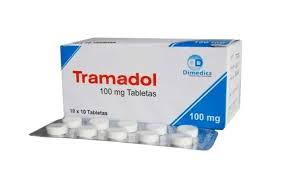
Tramadol: Uses, Risks, and What You Need to Know
Introduction
Tramadol Painkiller Risks and Benefits- Tramadol is one of the most prescribed opioid painkillers worldwide. Marketed as a “safer” alternative to stronger opioids, it has been used for decades to treat moderate to moderately severe pain. However, recent research suggests that Tramadol’s reputation may not match reality. While it can provide some relief, the benefits are often modest, and the risks—including heart problems and dependence—are significant. Buy Tramadol Online
This article explores what Tramadol is, how it works, its benefits, risks, and safer alternatives, giving you a complete picture of this controversial medication.
What is Tramadol?
- Definition: Tramadol is a synthetic opioid analgesic.
- Mechanism: It binds to opioid receptors in the brain and also inhibits serotonin and norepinephrine reuptake, altering how the body perceives pain.
- Common Uses: Prescribed for chronic pain conditions such as arthritis, back pain, fibromyalgia, and post‑surgical recovery. Buy Gamma-Butyrolactone
- Forms: Available in tablets, capsules, and extended‑release formulations.
Tramadol Painkiller Risks and Benefits
Despite growing concerns, Tramadol does have recognized medical uses:
- Pain Relief: Provides short‑term reduction in moderate pain.
- Accessibility: Widely available and often prescribed when other painkillers fail.
- Dual Action: Works both as an opioid and as a serotonin/norepinephrine reuptake inhibitor, which some doctors believe makes it versatile.
- Perceived Safety: Marketed as less addictive compared to stronger opioids like morphine or oxycodone.
Risks and Side Effects
Recent large‑scale reviews show that Tramadol’s potential harms may outweigh its benefits.
Common Side Effects
- Nausea
- Dizziness
- Sleepiness
- Constipation
Serious Risks
- Limited Effectiveness: Studies reveal pain relief is modest, sometimes barely noticeable.
- Heart Risks: Linked to chest pain, heart failure, and other cardiovascular issues.
- Dependence and Withdrawal: Despite being considered “safer,” Tramadol can still cause addiction and withdrawal symptoms.
- Seizures: Higher doses increase the risk of seizures.
- Serotonin Syndrome: When combined with antidepressants, Tramadol can cause dangerous serotonin overload.
Expert Warnings
A major review published in BMJ Evidence‑Based Medicine concluded that Tramadol may do more harm than good. Researchers found:
- Pain relief was minimal—so small that many patients likely wouldn’t notice much real‑world benefit.
- Risks included significantly higher chances of heart disease, chest pain, and heart failure.
- The potential harms probably outweigh the benefits, leading experts to recommend minimizing Tramadol’s use. Buy 500 Pages K2 Spice Spray Book
Tramadol vs. Other Painkillers
| Painkiller | Effectiveness | Risks | Typical Use |
|---|---|---|---|
| Tramadol | Modest pain relief | Heart risks, dependence, seizures | Chronic moderate pain |
| Ibuprofen | Effective for inflammation | Stomach irritation, ulcers | Arthritis, muscle pain |
| Acetaminophen | Good for mild pain | Liver damage at high doses | Headaches, mild pain |
| Morphine | Strong pain relief | High addiction risk | Severe pain, cancer pain |
| CBD (where legal) | Promising for chronic pain | Mild side effects | Alternative therapy |
Safer Alternatives
Patients and healthcare providers are exploring alternatives to Tramadol:
- Non‑opioid painkillers: Ibuprofen, acetaminophen.
- Physical therapy: Exercise, stretching, and rehabilitation.
- Lifestyle changes: Diet, stress reduction, sleep hygiene.
- Other medications: CBD‑based treatments in regions where legal.
- Multimodal pain management: Combining physical therapy, counseling, and non‑opioid drugs.
Patient Considerations
If you are prescribed Tramadol:
- Consult your doctor: Never start or stop Tramadol without medical advice.
- Avoid mixing with alcohol or antidepressants: This increases risks of seizures and serotonin syndrome.
- Monitor side effects: Report chest pain, dizziness, or unusual symptoms immediately.
- Short‑term use only: Experts recommend limiting Tramadol to short courses, not long‑term therapy.
Conclusion
Tramadol remains a common prescription, but growing evidence suggests caution. Its modest pain relief may not justify the risks, especially with safer alternatives available. Recent studies conclude that Tramadol’s harms probably outweigh its benefits.
If you’re considering Tramadol, consult a healthcare professional to weigh the benefits against potential harms. Safer alternatives like non‑opioid painkillers, physical therapy, and lifestyle changes may provide better long‑term relief without the risks. Buy Doozies Gummies Online
Tramadol Painkiller: Complete Guide to Uses, Risks, Side Effects, Addiction Concerns, Heart Health Warnings, Safer Alternatives, and Expert Insights for Managing Chronic Pain Effectively Without Relying on High‑Risk Opioid Medications
Global Use and History of Tramadol
Tramadol was first developed in Germany in the late 1970s and quickly gained popularity as a “safer” opioid alternative. By the 1990s, it had spread worldwide, marketed under brand names such as Ultram and ConZip. Its appeal came from claims that it was less addictive than morphine, making it a go‑to prescription for chronic pain.
However, as usage grew, so did reports of dependence, withdrawal, and misuse. In some countries, Tramadol became a major public health issue, with rising cases of recreational abuse. For example, in parts of Africa and the Middle East, Tramadol is widely misused as a stimulant or mood enhancer, leading to tighter regulations.
⚖️ Legal Status and Regulation
- United States: Classified as a Schedule IV controlled substance, meaning it has recognized medical use but carries risk of abuse.
- European Union: Regulations vary, but many countries restrict prescriptions due to safety concerns.
- Africa & Asia: In several regions, Tramadol is tightly controlled because of widespread misuse.
This patchwork of regulations reflects the controversy around Tramadol: some doctors see it as a useful tool, while public health experts warn of its dangers.
👩⚕️ Patient Perspectives
Patients often report mixed experiences:
- Some find Tramadol provides relief when other painkillers fail.
- Others experience side effects like dizziness, nausea, or withdrawal symptoms after stopping.
- A growing number of patients feel misled, believing Tramadol was “safe,” only to discover its addictive potential.
These stories highlight the importance of patient education. Many experts argue that patients should be fully informed about risks before starting Tramadol.
Why Tramadol Remains Popular
Despite warnings, Tramadol continues to be prescribed because:
- It’s cheaper than many alternatives.
- Doctors sometimes see it as a middle ground between mild painkillers and stronger opioids.
- Pharmaceutical marketing historically emphasized its “safety,” shaping perceptions among both doctors and patients.
Final Thoughts
Tramadol’s journey from “safe opioid” to “controversial painkiller” shows how medical reputations can change with new evidence. While it still has a role in pain management, its risks—including heart problems, dependence, and limited effectiveness—make it a drug that should be used cautiously and only under strict medical supervision.
For patients, the key takeaway is clear: always consult a healthcare professional, explore safer alternatives, and weigh short‑term relief against long‑term risks.