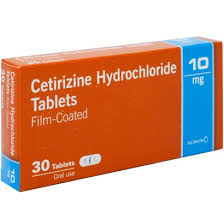
Cetirizine Hydrochloride: Uses, Dosage, Side Effects & Complete Guide
Introduction
Cetirizine hydrochloride, widely known under the brand name Zyrtec, is a second‑generation antihistamine trusted by millions worldwide. It provides effective relief from allergy symptoms such as sneezing, runny nose, itchy eyes, and hives. Unlike older antihistamines, cetirizine causes less drowsiness, making it suitable for daily use.
What is Cetirizine Hydrochloride?
- Drug Class: Antihistamine (second generation)
- Generic Name: Cetirizine hydrochloride
- Brand Names: Zyrtec, Reactine, Aller‑Tec
- Mechanism of Action: Blocks histamine H1 receptors to reduce allergic responses.
Medical Uses of Cetirizine Hydrochloride
Seasonal Allergies (Hay Fever)
Relieves sneezing, nasal congestion, itchy throat, and watery eyes caused by pollen and dust.
Perennial Allergic Rhinitis
Effective for year‑round allergies triggered by dust mites, mold, and pet dander.
Chronic Urticaria (Hives)
Reduces itching and swelling associated with chronic hives.
Skin Allergies
Helps manage itching and redness in atopic dermatitis and allergic rashes.
Dosage and Administration
Adults & Children (6+ years)
- Typical dose: 10 mg once daily (tablet or liquid).
Children (2–5 years)
- Dose: 2.5–5 mg once daily.
Children (6 months–2 years)
- Dose: 2.5 mg once daily (liquid form).
Important: Always follow medical advice. Do not exceed recommended dosage.
Side Effects of Cetirizine Hydrochloride
Common Side Effects
- Mild drowsiness
- Dry mouth
- Fatigue
- Headache
Serious Side Effects
- Difficulty breathing
- Severe allergic reaction (rare)
- Rapid heartbeat
FDA Warning
Stopping cetirizine after long‑term use may cause severe itching in rare cases.
Precautions and Warnings
- Pregnancy & Breastfeeding: Generally considered safe, but consult a doctor.
- Children: Safe from 6 months of age with adjusted dosage.
- Drug Interactions: May interact with alcohol, sedatives, and other antihistamines.
- Medical Conditions: Use cautiously in patients with kidney or liver impairment.
Cetirizine vs Other Antihistamines
| Antihistamine | Generation | Drowsiness Risk | Duration | Common Brand |
|---|---|---|---|---|
| Cetirizine | Second | Low | 24 hrs | Zyrtec |
| Loratadine | Second | Very Low | 24 hrs | Claritin |
| Fexofenadine | Second | Very Low | 24 hrs | Allegra |
| Diphenhydramine | First | High | 4–6 hrs | Benadryl |
FAQs About Cetirizine Hydrochloride
Q1: Can I take cetirizine hydrochloride daily? Yes, it is safe for daily use at recommended doses.
Q2: Is cetirizine hydrochloride safe for children? Yes, it can be used from 6 months of age with adjusted dosage.
Q3: Does cetirizine cause drowsiness? It may cause mild drowsiness, but less than first‑generation antihistamines.
Q4: Can I take cetirizine with alcohol? It’s best to avoid alcohol, as it may increase drowsiness.
Q5: How long does cetirizine take to work? Relief usually begins within 1 hour and lasts up to 24 hours.
Storage and Handling
- Store at room temperature (20–25°C).
- Keep away from moisture and direct sunlight.
- Dispose of expired medication safely.
Internal Linking Suggestions
- Link to a post on Loratadine vs Cetirizine
- Link to a guide on Managing Seasonal Allergies Naturally
- Link to a blog on Best Antihistamines for Hives
Cetirizine hydrochloride is a safe, effective, and widely available antihistamine for allergy relief. Its long duration of action and low risk of drowsiness make it a preferred choice for both seasonal and chronic allergy sufferers. Patients should follow dosage guidelines and consult healthcare providers for long‑term use.
Pharmacology of Cetirizine Hydrochloride
Cetirizine hydrochloride belongs to the second‑generation antihistamines, which were developed to minimize the sedative effects of first‑generation drugs like diphenhydramine. It works by selectively blocking histamine H1 receptors in the body. Histamine is a chemical released during allergic reactions that causes symptoms such as itching, swelling, and nasal congestion. By preventing histamine from binding to its receptors, cetirizine reduces these symptoms effectively.
Unlike older antihistamines, cetirizine does not cross the blood‑brain barrier as easily, which explains its lower risk of drowsiness. This makes it suitable for people who need allergy relief without compromising their daily activities, such as driving or working.
Clinical Effectiveness
Numerous studies have confirmed the effectiveness of cetirizine hydrochloride in managing allergies and hives. Clinical trials show that cetirizine provides 24‑hour relief with a single dose, making it convenient for patients.
- Seasonal Allergies: Research demonstrates that cetirizine significantly reduces sneezing, nasal congestion, and itchy eyes compared to placebo.
- Chronic Urticaria: Patients with persistent hives report reduced itching and improved sleep quality when using cetirizine.
- Pediatric Use: Studies confirm that cetirizine is safe for children as young as six months, with appropriate dosage adjustments.
Patient Experiences
Many patients prefer cetirizine hydrochloride because it balances effectiveness with tolerability. Common feedback includes:
- Relief from allergy symptoms within an hour of taking the medication.
- Minimal drowsiness compared to older antihistamines.
- Convenience of once‑daily dosing.
However, some users report mild fatigue or dry mouth, especially at higher doses. These side effects are generally manageable and less disruptive than those associated with first‑generation antihistamines.
Global Availability
Cetirizine hydrochloride is available worldwide under different brand names, including Zyrtec, Reactine, and Aller‑Tec. It is sold over‑the‑counter in many countries, making it easily accessible for patients. In some regions, higher doses or liquid formulations may require a prescription, especially for pediatric use.
Its widespread availability contributes to its popularity as a go‑to allergy medication. Pharmacies, supermarkets, and online platforms commonly stock cetirizine, ensuring patients can access it quickly during allergy season.
Practical Tips for Patients
When to Take Cetirizine
- Take cetirizine at the same time each day for consistent relief.
- For seasonal allergies, start taking it a few days before pollen season begins.
- For chronic hives, follow your doctor’s instructions carefully to avoid flare‑ups.
How to Maximize Effectiveness
- Avoid alcohol, which can increase drowsiness.
- Combine cetirizine with non‑drug strategies, such as using air filters or reducing exposure to allergens.
- Stay hydrated to minimize dry mouth.
Who Should Avoid Cetirizine
- Patients with severe kidney or liver impairment should consult a doctor before use.
- Those who experience severe allergic reactions should seek immediate medical attention rather than relying solely on cetirizine.
Cetirizine Hydrochloride in Special Populations
Children
Cetirizine is one of the few antihistamines approved for infants as young as six months. Pediatric formulations, such as liquid suspensions, make dosing easier. Parents should follow medical guidance strictly to avoid overdosing.
Elderly Patients
Older adults may be more sensitive to side effects like drowsiness. Lower doses are often recommended.
Pregnant and Breastfeeding Women
Cetirizine is generally considered safe during pregnancy and breastfeeding, but medical consultation is essential.
Long‑Term Use
Cetirizine hydrochloride can be used long‑term for chronic conditions like perennial allergic rhinitis or chronic urticaria. Studies show that prolonged use is safe, but patients should monitor for rare side effects such as severe itching when discontinuing after extended use.
Cetirizine vs Natural Remedies
While cetirizine provides reliable relief, some patients explore natural alternatives such as:
- Quercetin: A plant flavonoid with antihistamine properties.
- Butterbur extract: Shown in studies to reduce allergy symptoms.
- Saline nasal sprays: Help clear allergens from nasal passages.
These remedies may complement cetirizine but are not substitutes for its proven effectiveness.
Conclusion
Cetirizine hydrochloride is a trusted, effective, and widely available antihistamine that provides long‑lasting relief from allergies and hives. Its safety profile, convenience of once‑daily dosing, and minimal drowsiness make it a preferred choice for millions worldwide. Patients should follow dosage guidelines, consult healthcare providers for long‑term use, and combine medication with lifestyle adjustments for optimal allergy management.