K2 Paper’s Dark Genesis: The Origin of Synthetic Cannabinoid Sheets
K2-infused paper
K2-infused paper, often called “Spice paper,” is a potent and controversial product that emerged from the intersection of scientific research, underground innovation, and the global demand for discreet psychoactive substances. Its origin is rooted in the development of synthetic cannabinoids and their transformation into paper-based delivery systems—a shift driven by legal pressure, convenience, and concealment.
The Birth of Synthetic Cannabinoids
The story begins in the 1980s, when scientists began synthesizing cannabinoids to study their interaction with the brain’s endocannabinoid system. These compounds were designed to mimic THC, the psychoactive ingredient in cannabis, and were primarily used for medical research. The goal was to better understand pain management, appetite stimulation, and neurological disorders.
K2-infused paper
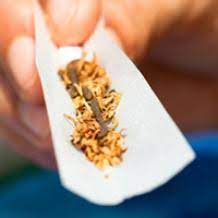
However, by the early 2000s, synthetic cannabinoids began appearing in consumer markets. Products like “K2” and “Spice” were sold as herbal incense or potpourri, often labeled “not for human consumption” to bypass drug laws. These products were made by spraying synthetic cannabinoid solutions onto dried plant material, which users smoked to achieve a cannabis-like high. Buy K2-infused paper
Legal Loopholes and Underground Innovation
As governments began banning specific synthetic compounds due to rising health concerns, manufacturers responded by tweaking chemical formulas to stay ahead of legislation. This led to a proliferation of new, often more potent and dangerous variants. The synthetic drug market became a game of cat and mouse between regulators and producers. Buy Eu powder Canada
In this climate of legal ambiguity, K2-infused paper emerged as a new delivery method. Instead of spraying plant material, manufacturers began infusing sheets of ordinary paper with synthetic cannabinoids. This innovation offered several advantages: it was odorless, easy to transport, and could be disguised as regular correspondence—making it especially popular in prisons and other controlled environments. K2-infused paper
The Infusion Process
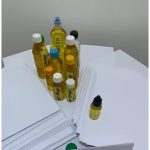
Creating K2-infused paper involves a precise and controlled process. First, a liquid solution of synthetic cannabinoids—often referred to as K2 spray—is formulated in a laboratory. This solution is then evenly applied to sheets of paper using specialized spraying equipment. Uniform distribution is critical to ensure consistent potency and reduce the risk of overdose.
After spraying, the paper undergoes a drying process that allows the synthetic compounds to permeate the fibers. Depending on the formulation, drying can take several hours to days. Once dried, the paper is cut into smaller sheets and packaged for distribution. Some manufacturers claim to produce K2 paper for scientific or aromatic purposes, but its primary use has become recreational and illicit. K2-infused paper
Rise in Popularity
K2-infused paper gained popularity for its discretion and potency. Users appreciated its compact form, lack of odor, and ease of use. It could be smoked, vaped, or even ingested, depending on the desired effect. Online retailers began offering a wide range of K2 paper products, often marketed as “aromatic sheets” or “incense paper” to avoid detection. buy K2-infused paper
In prison systems, K2 paper became a preferred method for smuggling synthetic drugs. Its innocuous appearance made it difficult to detect, and its high potency meant that even small quantities could deliver powerful effects. This led to widespread abuse and a surge in health emergencies among inmates.
Health Risks and Unpredictable Effects
Despite its popularity, K2-infused paper poses serious health risks. Synthetic cannabinoids are significantly more potent than natural THC and can cause unpredictable effects. Users have reported hallucinations, paranoia, seizures, heart problems, and even death. Unlike cannabis, which has a relatively stable safety profile, synthetic cannabinoids are chemically unstable and poorly understood. K2-infused paper
The lack of regulation means users often have no idea what compounds they are consuming or how strong they are. This unpredictability has led to numerous hospitalizations and fatalities, prompting public health warnings and increased scrutiny from law enforcement. K2-infused paper
Legal and Ethical Implications
Governments around the world have responded by classifying many synthetic cannabinoids as controlled substances. In the United States, for example, K2 is illegal under federal law, and possession or distribution can result in severe penalties. However, manufacturers continue to alter chemical structures to evade detection, making enforcement difficult.
Ethically, the marketing and distribution of K2 paper raise serious concerns. It is often sold deceptively, with little regard for consumer safety. Its use among vulnerable populations—especially in prisons—highlights issues of exploitation and systemic failure. Moreover, the absence of quality control means that users are exposed to unknown and potentially lethal substances.
Conclusion
The origin of K2-infused paper is a cautionary tale of scientific innovation repurposed for underground use. What began as legitimate research into cannabinoid receptors evolved into a global synthetic drug market marked by legal ambiguity and health risks. The shift from herbal blends to infused paper reflects a drive for stealth and potency, fueled by demand and regulatory pressure.
While K2 paper may offer a convenient high, its unpredictable effects and legal dangers make it a hazardous choice. Understanding its origins sheds light on the complex interplay between science, law, and human behavior in the realm of synthetic drugs—and serves as a stark reminder of the consequences when innovation outpaces regulation.