5F‑ADB: Understanding a Potent Synthetic Cannabinoid
5F-ADB synthetic cannabinoid -Introduction
5F-ADB synthetic cannabinoid have emerged as one of the most concerning categories of novel psychoactive substances (NPS) in recent years. Among them, 5F‑ADB (also known as 5F‑MDMB‑PINACA) stands out for its potency and unpredictable effects. Unlike natural cannabis, which contains THC and CBD, synthetic cannabinoids are laboratory‑made chemicals designed to mimic THC’s psychoactive properties. However, they often bind more strongly to cannabinoid receptors, producing far more intense — and sometimes dangerous — outcomes.
This article explores what 5F‑ADB is, how it works, who encounters it, where it is found, why it matters, when it emerged, and the risks and legal challenges surrounding it.
What is 5F‑ADB?
5F‑ADB is a synthetic cannabinoid belonging to the indazole‑based family of compounds. Its full chemical name is methyl (S)-2-[1-(5-fluoropentyl)-1H-indazole-3-carboxamido]-3,3-dimethylbutanoate. In simpler terms, it is a man‑made molecule engineered to interact with the body’s endocannabinoid system, the same system that responds to THC in cannabis.
Unlike THC, which produces a relatively predictable range of effects, 5F‑ADB is highly potent and can cause extreme reactions even at very small doses. This unpredictability makes it particularly dangerous, as users often have no way of knowing the strength or purity of the product they are consuming.
Who Encounters 5F‑ADB?
5F‑ADB is not approved for medical use. Instead, it is most often encountered by:
- Law enforcement agencies: Detecting it in seized “spice” or “herbal incense” products.
- Forensic toxicologists: Identifying it in biological samples during investigations of intoxication or overdose.
- Public health researchers: Studying its impact on communities and drug trends.
- Consumers: Often unknowingly ingesting it when buying unregulated synthetic cannabis products marketed under misleading labels.
Because synthetic cannabinoids are frequently sold online or in informal markets, users may believe they are purchasing a legal or safer alternative to cannabis. In reality, they are exposing themselves to a high‑risk, unregulated substance.
Where is 5F‑ADB Found?
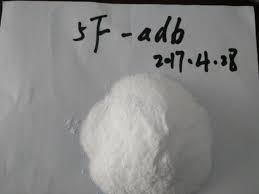
5F‑ADB has been detected across Europe, North America, and Asia, often sold online as a “research chemical” or disguised as herbal blends. It typically appears in two forms:
- Powder: Used by distributors to spray onto plant material.
- Plant material: Marketed as “spice” or “herbal incense,” then smoked by consumers.
Because the distribution occurs through unregulated markets, products may be mislabeled, contaminated, or mixed with other synthetic cannabinoids. This lack of quality control increases the risk of overdose and severe adverse effects.
Why is 5F‑ADB Important to Study?
Studying 5F‑ADB is critical for several reasons:
- Public health: Hospitals report cases of severe intoxication, seizures, and even fatalities linked to synthetic cannabinoids.
- Forensic science: Identifying 5F‑ADB helps track emerging drug trends and supports law enforcement investigations.
- Drug policy: Understanding its risks informs scheduling decisions and international regulation.
- Scientific research: Examining how 5F‑ADB interacts with cannabinoid receptors expands knowledge of the endocannabinoid system.
In short, 5F‑ADB is not just another designer drug — it is a serious public health concern that requires ongoing monitoring and research.
When Did 5F‑ADB Emerge?
5F‑ADB first appeared in 2014–2015, detected in Europe as part of the growing wave of synthetic cannabinoids. Within a few years, it spread globally through online “legal high” markets. By the late 2010s, forensic laboratories reported 5F‑ADB as one of the most frequently encountered synthetic cannabinoids in toxicology cases.
Its rapid spread highlights the challenge of regulating NPS: as soon as one compound is banned, new variations often appear to replace it.
How Does 5F‑ADB Work?
Mechanism
5F‑ADB binds strongly to CB1 receptors in the brain and CB2 receptors in the immune system. This overstimulation disrupts normal neurotransmitter activity, leading to unpredictable psychoactive effects.
Effects
Users may experience:
- Euphoria
- Altered perception
- Relaxation or sedation
- Heightened sensory awareness
Adverse Effects
However, the risks are far greater than those of natural cannabis:
- Severe anxiety and paranoia
- Hallucinations and psychosis
- Seizures
- Cardiovascular collapse
- Risk of overdose due to unpredictable potency
Because synthetic cannabinoids like 5F‑ADB are often much stronger than THC, even a small dose can trigger life‑threatening reactions.
Legal Status of 5F‑ADB
Governments worldwide have moved to control 5F‑ADB:
- United States: Schedule I (no medical use, high abuse potential).
- United Kingdom: Class B controlled substance.
- Germany: Anlage II (restricted trade, not prescribable).
- Canada: Schedule II.
- Brazil: Class F2 (prohibited psychotropics).
- International: Listed under Schedule II of the 1971 Convention on Psychotropic Substances.
This widespread regulation reflects the serious risks associated with 5F‑ADB and the need to limit its availability.
Risks and Challenges
Unregulated Distribution
Products containing 5F‑ADB are often mislabeled or contaminated, leaving users unaware of what they are consuming.
Health Risks
Adverse effects range from mild anxiety to severe intoxication, seizures, and death. Emergency departments have reported multiple cases linked to synthetic cannabinoids.
Legal Consequences
Possession, sale, or distribution of 5F‑ADB can result in criminal charges depending on jurisdiction.
Limited Research
Because 5F‑ADB is relatively new, its long‑term effects remain poorly understood. This lack of data makes it difficult for health professionals to predict outcomes or develop treatment protocols.
5F-ADB synthetic cannabinoid
5F‑ADB is a highly potent synthetic cannabinoid that poses serious health risks and is tightly controlled worldwide. Unlike natural cannabis, its unpredictable potency and unregulated distribution make it dangerous. Researchers, policymakers, and law enforcement continue to monitor its spread as part of the broader challenge posed by novel psychoactive substances. Buy GBL Online
For readers, the key takeaway is clear: 5F‑ADB is not a safe alternative to cannabis. Its risks far outweigh any perceived benefits, and its presence in unregulated markets underscores the importance of awareness, education, and regulation. K2 Spice Paper for Sale
Frequently Asked Questions About 5F‑ADB
Is 5F‑ADB legal?
No. 5F‑ADB is classified as a controlled substance in most countries. In the United States, it falls under Schedule I, meaning it has no accepted medical use and a high potential for abuse. The United Kingdom lists it as a Class B drug, while Canada places it under Schedule II. Other countries, including Germany and Brazil, also restrict its trade and possession. Internationally, it is listed under Schedule II of the 1971 Convention on Psychotropic Substances.
How is 5F‑ADB different from cannabis?
While both act on cannabinoid receptors, 5F‑ADB is synthetic and far more potent than THC, the active compound in cannabis. Natural cannabis has a relatively predictable effect profile, but synthetic cannabinoids like 5F‑ADB can cause severe and unpredictable reactions, including seizures, psychosis, and cardiovascular collapse.
5F-ADB synthetic cannabinoid
Can 5F‑ADB cause overdose?
Yes. Because of its high potency and unregulated distribution, even small amounts can trigger overdose symptoms. Emergency departments have documented cases of severe intoxication and fatalities linked to synthetic cannabinoids, including 5F‑ADB.
Public Health Perspective
Synthetic cannabinoids such as 5F‑ADB pose a unique challenge for public health systems. Unlike traditional drugs, they often appear suddenly, spread quickly through online markets, and evade regulation until authorities catch up. This rapid cycle makes it difficult for health professionals to prepare treatment protocols or educate communities in time.
Public health agencies emphasize the importance of awareness campaigns, especially targeting young people who may experiment with “legal highs” without understanding the risks. Education about synthetic cannabinoids can reduce experimentation and prevent hospitalizations.
Moreover, forensic laboratories play a critical role in identifying new compounds like 5F‑ADB. Their findings inform policymakers, enabling faster scheduling decisions and international cooperation to restrict dangerous substances.