Cannabinoids Information
CategoriesCannabinoids

Cannabinoids information

Cannabinoids Information

Cannabinoids Information. Cannabinoids are naturally occurring compounds found in the Cannabis sativa plant. Of over 480 different compounds present in the plant, only around 66 are termed cannabinoids.

Cannabinoids Information. The most well-known among these compounds is the delta-9-tetrahydrocannabinol (Δ9-THC), which is the main psychoactive ingredient in cannabis.

Cannabidiol (CBD) is another important component, which makes up about 40% of the plant resin extract.

Cannabinoids Information/ Classes of cannabinoids
The cannabinoids are separated into the following subclasses:

Cannabigerols (CBG)
Cannabichromenes (CBC)
Cannabidiol (CBD)
Tetrahydrocannabinol (THC)
Cannabinol (CBN)
Cannabinodiol (CBDL)
Other cannabinoids including cannabicyclol (CBL), cannabielsoin (CBE) and cannabitriol (CBT)

Cannabinoids (/kəˈnæbənɔɪdzˌ ˈkænəbənɔɪdz/) are several structural classes of compounds found in the cannabis plant primarily and most animal organisms (although insects lack such receptors) or as synthetic compounds. The most notable cannabinoid is the phytocannabinoid tetrahydrocannabinol (THC) (delta-9-THC), the primary intoxicating compound in cannabis.

Cannabinoids Information. Cannabidiol (CBD) is a major constituent of temperate Cannabis plants and a minor constituent in tropical varieties. At least 113 distinct phytocannabinoids have been isolated from cannabis, although only four (i.e., THCA, CBDA, CBCA and their common precursor CBGA) have been demonstrated to have a biogenetic origin.

It was reported in 2020 that phytocannabinoids can be found in other plants such as rhododendron, licorice and liverwort,[7] and earlier in Echinacea.

Phytocannabinoids are multi-ring phenolic compounds structurally related to THC,[8] but endocannabinoids are fatty acid derivatives. Nonclassical synthetic cannabinoids (cannabimimetics) include aminoalkylindoles, 1,5-diarylpyrazoles, quinolines, and arylsulfonamides as well as eicosanoids related to endocannabinoids.

Buy Bromazolam USA

Cannabinoids Information

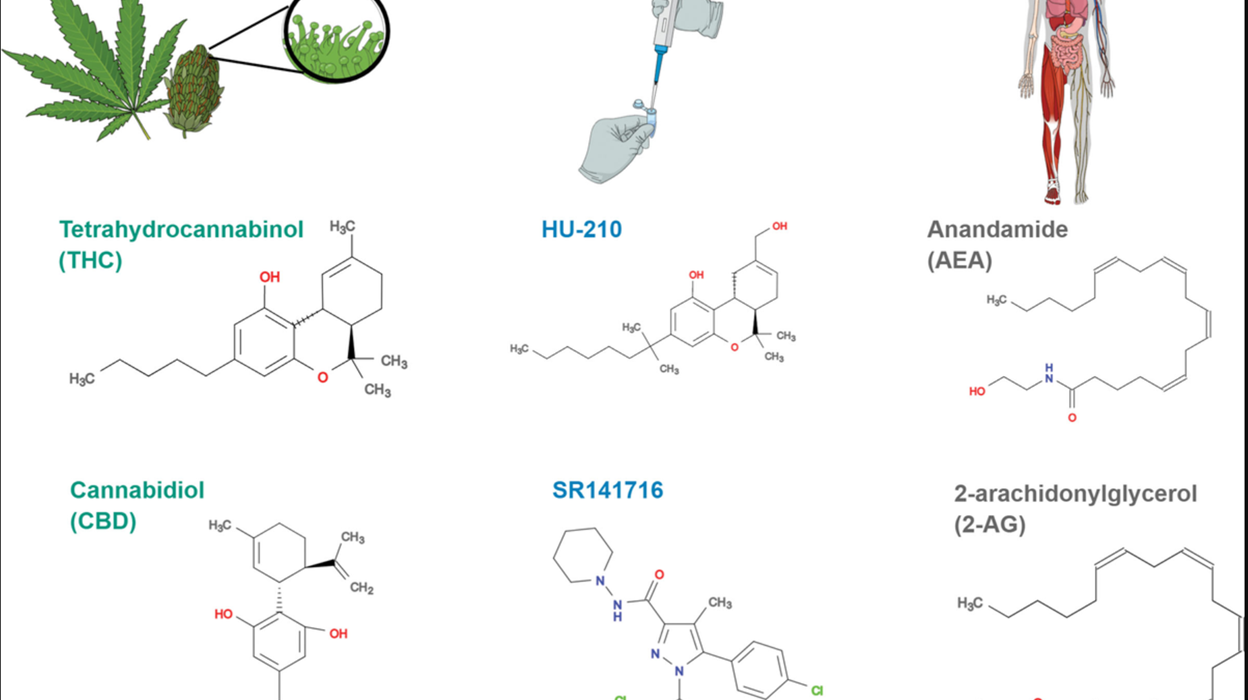
Cannabinoids have drawn increasing public attention with expanding legalization and accessibility. Cannabinoids are a group of compounds that are biologically and structurally similar to the chemical compounds of Cannabis sativa.46 There are three classes of cannabinoids: plant-derived cannabinoids (phytocannabinoids), endogenous cannabinoids (endocannabinoids), and synthetic cannabinoids. Cannabinoids Information

Phytocannabinoids are plant-derived cannabinoids that are historically derived from cannabis sativa.47 The most notable phytocannabinoids are Δ9-tetrahydrocannabinol (THC), which can have psychotropic effects, and cannabidiols (CBD), which are mostly non-psychotropic.

Endocannabinoids are endogenous lipids that function as ligands for cannabinoid receptors.46 Synthetic cannabinoids are developed in laboratories and mimic phytocannabinoids and endocannabinoids.

The effects of cannabinoids are mediated by cannabinoid receptors CB1 and CB2. CB1 is responsible for the psychoactive effects through the release of various neurotransmitters,48 while CB2 is presumed to mediate immunomodulation and the anti-inflammatory effects of cannabinoids.49 Generally, oral cannabinoids have been shown to target systemic symptoms such as anorexia, nausea, and pain, whereas topically applied cannabinoids often target localized pain and inflammation.50–54.

Cannabinoids Information

The pathogenesis of HS includes a complex relationship between pilosebaceous unit occlusion due to keratinocyte proliferation, sebaceous gland disruption, and an overlapping, autoinflammatory response.3,4,55,56 Cannabinoids have been shown to inhibit keratinocyte proliferation in vitro CBD, and other phytocannabinoids have also been shown to inhibit a number of inflammatory pathways, including the NF-κB pathway.57

Anandamide is a CB1 agonist that interacts with vanilloid receptors to transduce and regulate nociceptive signals (including pain and itch) to the peripheral nervous system.

Phytocannabinoids and cannabinoid agonists have demonstrated clinical improvements for patients with pain associated with chronic medical conditions.60–62 CB1 and CB2 agonists have been shown to reduce itch for patients with lichen simplex chronicus, uremic pruritus, atopic dermatitis (AD), and prurigo nodularis.63,64 In a study of acne patients, application of topical cannabis seed extract cream resulted in significant decreases in skin sebum and erythema.65 Cannabinoids may have an analgesic effect in HS due to inhibition of the release of calcitonin gene-related peptide, which is stored in sensory neurons and involved in the transmission of pain.66

Despite the growing interest in the therapeutic applications of cannabinoids, there remains a lack of high-quality randomized controlled trials that evaluate their effects in dermatology. Cannabinoids Information

In a recent HS CAM survey, marijuana and topical CBD oil were both among the more commonly used CAM methods by respondents. Most users reported them as helpful, with 57% reporting marijuana as helpful and 45% reporting topical CBD oil as helpful. Systemic toxicity can occur as a result of overstimulation of the endocannabinoid system from exogenous cannabinoid use through ingestion or inhalation.

67 Notable side effects of cannabinoid systemic toxicity include tachycardia (acute), bradycardia (chronic), decreased systemic vascular resistance, nystagmus, conjunctival injection, decreased intraocular pressure, lethargy, decreased concentration, and generalized psychomotor impairment.

Differences between cannabinoids

The main way in which the cannabinoids are differentiated is based on their degree of psychoactivity.

For example, CBG, CBC and CBD are not known to be psycholgically active agents whereas THC, CBN and CBDL along with some other cannabinoids are known to have varying degrees of psychoactivity.

The most abundant of the cannabinoids is CBD, which is thought to have anti-anxiety effects, possibly counteracting the psychoactive effects of THC.

When THC is exposed to the air, it becomes oxidized and forms CBN which also interacts with THC to lessen its impact.

This is why cannabis that has been left out unused will has less potent effects when smoked, due to the increased CBN to THC ratio.

Cannabinoid-based pharmaceuticals

Cannabinoids Information. Nabiximols (brand name Sativex) is an aerosolized mist for oral administration containing a near 1:1 ratio of CBD and THC.[50] Also included are minor cannabinoids and terpenoids, ethanol and propylene glycol excipients, and peppermint flavouring.

The drug, made by GW Pharmaceuticals, was first approved by Canadian authorities in 2005 to alleviate pain associated with multiple sclerosis, making it the first cannabis-based medicine. It is marketed by Bayer in Canada.

Sativex has been approved in 25 countries; clinical trials are underway in the United States to gain FDA approval. In 2007, it was approved for the treatment of cancer pain.In Phase III trials, the most common adverse effects were dizziness, drowsiness and disorientation; 12% of subjects stopped taking the drug because of the side effects.

Dronabinol (brand name Marinol) is a THC drug used to treat poor appetite, nausea, and sleep apnea.[55] It is approved by the FDA for treating HIV/AIDS-induced anorexia and chemotherapy-induced nausea and vomiting.[56][57][58]

The CBD drug Epidiolex has been approved by the Food and Drug Administration for the treatment of two rare and severe forms of epilepsy,[59] Dravet and Lennox-Gastaut syndromes.

Effects of cannabinoids

Cannabinoids exert their effects by interacting with specific cannabinoid receptors present on the surface of cells.

These receptors are found in different parts of the central nervous system and the two main types of cannabinoid receptors in the body are CB1 and CB2.

In 1992, a naturally occurring substance in the brain that binds to CB1 was discovered, called anandamide. This cannabinoid-like chemical and others that were later discovered are referred to as endocannabinoids.

The effects of cannabinoids depend on the brain area involved. Effects on the limbic system may alter memory, cognition and psychomotor performance; effects on the mesolimbic pathway may affect the reward and pleasure responses and pain perception may also be altered.

What to know about endocannabinoids and the endocannabinoid system

The endocannabinoid system is an active and complex cell signalling network. It involves a combination of endocannabinoids, enzymes, and cannabinoid receptors that help regulate several functions in the human body.

The discovery of the ECS is relatively new. In the early 1990s, a chemist isolated the first endocannabinoid in the human brain. Since that time, researchers have been learning more about this system and the role it plays in bodily functions.

Endocannabinoids are similar to the cannabinoids present in the cannabis sativa (C. sativa) plant. However, the human body naturally produces endocannabinoids. The term “endo” refers to “within,” as in within the body.

In this article, we will define the endocannabinoid system, and examine its function and potential therapeutic uses.

Endocannabinoid receptors

Cannabinoid receptors are on the surface of cells throughout the body. Endocannabinoids attach or bind to the receptors, which sends a message to the ECS to kick-start a response.

The two primary cannabinoid receptors are present throughout the body:

CB1 is mainly present in the central nervous system (CNS), which consists of the brain and spinal cord.
CB2 is mainly present in the peripheral nervous system (PNS) and in immune cells.
Experts think a third cannabinoid receptor may also exist, but research is not conclusive.

Endocannabinoids may attach to either type of receptor, causing different results depending on the location of the receptor in the body.

For example, endocannabinoids may target CB1 receptors in a spinal nerve to relieve pain or bind to a CB2 receptor in an immune cell, which signals that the body is experiencing inflammation. Cannabinoids Information

What are the therapeutic uses of cannabinoids?
Research indicates that the ECS may contain multiple promising therapeutic targets. While the body can produce endocannabinoids, there are also many cannabinoids present in the C.sativa plant which are of medical interest.

Two of the most well-known cannabinoids include tetrahydrocannabinol (THC) and cannabidiol (CBD). They can also bind to cannabinoid receptors and produce similar effects to endocannabinoids. THC is the cannabinoid that causes the “high” that people may associate with cannabis, whereas CBD does not produce this sensation.

Studies are ongoing to determine the therapeutic benefits of cannabinoids. For example, a 2016 study investigated the effect of CBD on joint inflammation in rats. The study suggests that applying a topical gel containing CBD decreased pain and joint swelling in rats without side effects.

Additional research indicates that cannabinoids may be helpful in treating a variety of conditions such as:

pain in adults
abnormal muscle tightness associated with multiple sclerosis
nausea and vomiting associated with chemotherapy
sleep disturbances
Research continues on how inhibiting or stimulating the endocannabinoid system could have medical and health benefits.

Buy Bufo Bufo Venom USA


Research Chemicals
CategoriesResearch Chemicals

Research Chemicals

Research Chemicals

Research chemicals are chemical substances used by scientists for medical and scientific research purposes. One characteristic of a research chemical is that it is for laboratory research use only; a research chemical is not intended for human or veterinary use. This distinction is required on the labels of research chemicals and is what exempts them from regulation.

Research chemicals are fundamental in the development of novel pharmacotherapies. The common medical laboratory uses include in vivo and animal testing to determine therapeutic value, toxicology testing by contract research organizations to determine drug safety and analysis by drug test and forensic toxicology labs for the purposes of evaluating human exposure.

Many pharmacologically active chemicals are sold online under the guise of “research chemicals,” when in reality they are untested designer drugs that are being sold for recreational use despite the compounds’ transitional or unclear legal status.

Buy Bromazolam Online

Pharmaceutical industry

The pharmaceutical industry discovers, develops, produces, and markets drugs or pharmaceutical drugs for use as medications to be administered to patients (or self-administered), with the aim to cure them, vaccinate them, or alleviate symptoms. Pharmaceutical companies may deal in generic or brand medications and medical devices.

They are subject to a variety of laws and regulations that govern the patenting, testing, safety, efficacy using drug testing and marketing of drugs. The global pharmaceuticals market produced treatments worth $1,228.45 billion in 2020 and showed a compound annual growth rate (CAGR) of 1.8%.Research chemicals

Research agrochemicals are created and evaluated to select effective substances for use in commercial off-the-shelf end-user products. Many research agrochemicals are never publicly marketed. Agricultural research chemicals often use sequential code names.

This is a list of prices of chemical elements. Listed here are mainly average market prices for bulk trade of commodities. Data on elements’ abundance in Earth’s crust is added for comparison. Research chemicals

As of 2020, the most expensive non-synthetic element by both mass and volume is rhodium. It is followed by caesium, iridium and palladium by mass and iridium, gold and platinum by volume. Of those elements, rhodium, caesium and gold have only one stable isotope (133
Cs, 103
Rh and 197
Au respectively), iridium has two (191
Ir & 193
Ir) whereas palladium and platinum both have several. Carbon in the form of diamond can be more expensive than rhodium.

Per-kilogram prices of some synthetic radioisotopes range to trillions of dollars. While the difficulty of obtaining macroscopic samples of synthetic elements in part explains their high value, there has been interest in converting base metals to gold (Chrysopoeia) since ancient times, but only deeper understanding of nuclear physics has allowed the actual production of a tiny amount of gold from other elements for research purposes as demonstrated by Glenn Seaborg.

However, both this and other routes of synthesis of precious metals via nuclear reactions is orders of magnitude removed from economic viability.

Chlorine, sulfur and carbon (as coal) are cheapest by mass. Hydrogen, nitrogen, oxygen and chlorine are cheapest by volume at atmospheric pressure.

When there is no public data on the element in its pure form, price of a compound is used, per mass of element contained. This implicitly puts the value of compounds’ other constituents, and the cost of extraction of the element, at zero. For elements whose radiological properties are important, individual isotopes and isomers are listed. The price listing for radioisotopes is not exhaustive.

Experimental drug

An experimental drug is a medicinal product (a drug or vaccine) that has not yet received approval from governmental regulatory authorities for routine use in human or veterinary medicine.

A medicinal product may be approved for use in one disease or condition but still be considered experimental for other diseases or conditions. In 2018 the United States of America signed the legislation “Right to Try”, this allows individuals who fit into the criteria to try experimental drugs that are not yet deemed safe.

In the United States, the body responsible for approval is the U.S. Food and Drug Administration (FDA), which must grant the substance Investigational New Drug (IND) status before it can be tested in human clinical trials.

IND status requires the drug’s sponsor to submit an IND application that includes data from laboratory and animal testing for safety and efficacy. A drug that is made from a living organism or its products undergoes the same approval process but is called a biologics license application (BLA). Biological drugs include antibodies, interleukins, and vaccines.

In Canada, a Clinical Trial Application (CTA) must be filed with the Health Products and Food Branch (HPFB) of Health Canada before starting a clinical trial. If the clinical trial results show that therapeutic effect of the drug outweighs negative side effects then the sponsor can then to file a New Drug Submission.

Clinical trials in the European Union (EU) are regulated by the European Medicines Agency (EMA). Beginning in 2019 all applications for clinical trials must use a centralize EU portal and database. All clinical trial results will available to the public with the summary written in layperson’s language.

Bufo Alvarius Toad Venom for Sale

Mid-1800s – 1945: From botanicals to the first synthetic drugs
The modern era of pharmaceutical industry began with local apothecaries that expanded from their traditional role of distributing botanical drugs such as morphine and quinine to wholesale manufacture in the mid-1800s, and from discoveries resulting from applied research.

Intentional drug discovery from plants began with the isolation between 1803 and 1805 of morphine – an analgesic and sleep-inducing agent – from opium by the German apothecary assistant Friedrich Sertürner, who named this compound after the Greek god of dreams, Morpheus.

By the late 1880s, German dye manufacturers had perfected the purification of individual organic compounds from tar and other mineral sources and had also established rudimentary methods in organic chemical synthesis.

The development of synthetic chemical methods allowed scientists to systematically vary the structure of chemical substances, and growth in the emerging science of pharmacology expanded their ability to evaluate the biological effects of these structural changes.

Epinephrine, norepinephrine, and amphetamine

By the 1890s, the profound effect of adrenal extracts on many different tissue types had been discovered, setting off a search both for the mechanism of chemical signalling and efforts to exploit these observations for the development of new drugs.

The blood pressure raising and vasoconstrictive effects of adrenal extracts were of particular interest to surgeons as hemostatic agents and as treatment for shock, and a number of companies developed products based on adrenal extracts containing varying purities of the active substance.

In 1897, John Abel of Johns Hopkins University identified the active principle as epinephrine, which he isolated in an impure state as the sulfate salt. Industrial chemist Jōkichi Takamine later developed a method for obtaining epinephrine in a pure state, and licensed the technology to Parke-Davis. Parke-Davis marketed epinephrine under the trade name Adrenalin.

Injected epinephrine proved to be especially efficacious for the acute treatment of asthma attacks, and an inhaled version was sold in the United States until 2011 (Primatene Mist). By 1929 epinephrine had been formulated into an inhaler for use in the treatment of nasal congestion.

While highly effective, the requirement for injection limited the use of epinephrine[clarification needed] and orally active derivatives were sought. A structurally similar compound, ephedrine, was identified by Japanese chemists in the Ma Huang plant and marketed by Eli Lilly as an oral treatment for asthma.

Following the work of Henry Dale and George Barger at Burroughs-Wellcome, academic chemist Gordon Alles synthesized amphetamine and tested it in asthma patients in 1929. The drug proved to have only modest anti-asthma effects but produced sensations of exhilaration and palpitations.

Amphetamine was developed by Smith, Kline and French as a nasal decongestant under the trade name Benzedrine Inhaler. Amphetamine was eventually developed for the treatment of narcolepsy, post-encephalitic parkinsonism, and mood elevation in depression and other psychiatric indications. It received approval as a New and Nonofficial Remedy from the American Medical Association for these uses in 1937, and remained in common use for depression until the development of tricyclic antidepressants in the 1960s.

Patents

Patents have been criticized in the developing world, as they are thought[who?] to reduce access to existing medicines.[152] Reconciling patents and universal access to medicine would require an efficient international policy of price discrimination. Moreover, under the TRIPS agreement of the World Trade Organization, countries must allow pharmaceutical products to be patented. In 2001, the WTO adopted the Doha Declaration, which indicates that the TRIPS agreement should be read with the goals of public health in mind, and allows some methods for circumventing pharmaceutical monopolies: via compulsory licensing or parallel imports, even before patent expiration.

In March 2001, 40 multi-national pharmaceutical companies brought litigation against South Africa for its Medicines Act, which allowed the generic production of antiretroviral drugs (ARVs) for treating HIV, despite the fact that these drugs were on-patent.

HIV was and is an epidemic in South Africa, and ARVs at the time cost between US$10,000 and US$15,000 per patient per year. This was unaffordable for most South African citizens, and so the South African government committed to providing ARVs at prices closer to what people could afford.

To do so, they would need to ignore the patents on drugs and produce generics within the country (using a compulsory license), or import them from abroad. After international protest in favour of public health rights (including the collection of 250,000 signatures by Médecins Sans Frontières), the governments of several developed countries (including The Netherlands, Germany, France, and later the US) backed the South African government, and the case was dropped in April of that year.

In 2016, GlaxoSmithKline (the world’s sixth largest pharmaceutical company) announced that it would be dropping its patents in poor countries so as to allow independent companies to make and sell versions of its drugs in those areas, thereby widening the public access to them.[156] GlaxoSmithKline published a list of 50 countries they would no longer hold patents in, affecting one billion people worldwide.

Source

Add to cart