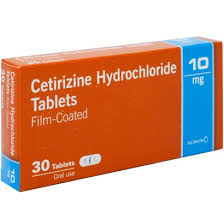
Cetirizine hydrochloride tablets in blister pack
CategoriesUncategorized

Cetirizine Hydrochloride

Cetirizine Hydrochloride: Uses, Dosage, Side Effects & Complete Guide

Introduction

Cetirizine hydrochloride, widely known under the brand name Zyrtec, is a second‑generation antihistamine trusted by millions worldwide. It provides effective relief from allergy symptoms such as sneezing, runny nose, itchy eyes, and hives. Unlike older antihistamines, cetirizine causes less drowsiness, making it suitable for daily use.

What is Cetirizine Hydrochloride?

  • Drug Class: Antihistamine (second generation)
  • Generic Name: Cetirizine hydrochloride
  • Brand Names: Zyrtec, Reactine, Aller‑Tec
  • Mechanism of Action: Blocks histamine H1 receptors to reduce allergic responses.

Medical Uses of Cetirizine Hydrochloride

Seasonal Allergies (Hay Fever)

Relieves sneezing, nasal congestion, itchy throat, and watery eyes caused by pollen and dust.

Perennial Allergic Rhinitis

Effective for year‑round allergies triggered by dust mites, mold, and pet dander.

Chronic Urticaria (Hives)

Reduces itching and swelling associated with chronic hives.

Skin Allergies

Helps manage itching and redness in atopic dermatitis and allergic rashes.

Dosage and Administration

Adults & Children (6+ years)

  • Typical dose: 10 mg once daily (tablet or liquid).

Children (2–5 years)

  • Dose: 2.5–5 mg once daily.

Children (6 months–2 years)

  • Dose: 2.5 mg once daily (liquid form).

Important: Always follow medical advice. Do not exceed recommended dosage.

Side Effects of Cetirizine Hydrochloride

Common Side Effects

  • Mild drowsiness
  • Dry mouth
  • Fatigue
  • Headache

Serious Side Effects

  • Difficulty breathing
  • Severe allergic reaction (rare)
  • Rapid heartbeat

FDA Warning

Stopping cetirizine after long‑term use may cause severe itching in rare cases.

Precautions and Warnings

  • Pregnancy & Breastfeeding: Generally considered safe, but consult a doctor.
  • Children: Safe from 6 months of age with adjusted dosage.
  • Drug Interactions: May interact with alcohol, sedatives, and other antihistamines.
  • Medical Conditions: Use cautiously in patients with kidney or liver impairment.

Cetirizine vs Other Antihistamines

Antihistamine Generation Drowsiness Risk Duration Common Brand
Cetirizine Second Low 24 hrs Zyrtec
Loratadine Second Very Low 24 hrs Claritin
Fexofenadine Second Very Low 24 hrs Allegra
Diphenhydramine First High 4–6 hrs Benadryl

FAQs About Cetirizine Hydrochloride

Q1: Can I take cetirizine hydrochloride daily? Yes, it is safe for daily use at recommended doses.

Q2: Is cetirizine hydrochloride safe for children? Yes, it can be used from 6 months of age with adjusted dosage.

Q3: Does cetirizine cause drowsiness? It may cause mild drowsiness, but less than first‑generation antihistamines.

Q4: Can I take cetirizine with alcohol? It’s best to avoid alcohol, as it may increase drowsiness.

Q5: How long does cetirizine take to work? Relief usually begins within 1 hour and lasts up to 24 hours.

Storage and Handling

  • Store at room temperature (20–25°C).
  • Keep away from moisture and direct sunlight.
  • Dispose of expired medication safely.

Internal Linking Suggestions

  • Link to a post on Loratadine vs Cetirizine
  • Link to a guide on Managing Seasonal Allergies Naturally
  • Link to a blog on Best Antihistamines for Hives

Cetirizine hydrochloride is a safe, effective, and widely available antihistamine for allergy relief. Its long duration of action and low risk of drowsiness make it a preferred choice for both seasonal and chronic allergy sufferers. Patients should follow dosage guidelines and consult healthcare providers for long‑term use.

Pharmacology of Cetirizine Hydrochloride

Cetirizine hydrochloride belongs to the second‑generation antihistamines, which were developed to minimize the sedative effects of first‑generation drugs like diphenhydramine. It works by selectively blocking histamine H1 receptors in the body. Histamine is a chemical released during allergic reactions that causes symptoms such as itching, swelling, and nasal congestion. By preventing histamine from binding to its receptors, cetirizine reduces these symptoms effectively.

Unlike older antihistamines, cetirizine does not cross the blood‑brain barrier as easily, which explains its lower risk of drowsiness. This makes it suitable for people who need allergy relief without compromising their daily activities, such as driving or working.

Clinical Effectiveness

Numerous studies have confirmed the effectiveness of cetirizine hydrochloride in managing allergies and hives. Clinical trials show that cetirizine provides 24‑hour relief with a single dose, making it convenient for patients.

  • Seasonal Allergies: Research demonstrates that cetirizine significantly reduces sneezing, nasal congestion, and itchy eyes compared to placebo.
  • Chronic Urticaria: Patients with persistent hives report reduced itching and improved sleep quality when using cetirizine.
  • Pediatric Use: Studies confirm that cetirizine is safe for children as young as six months, with appropriate dosage adjustments.

Patient Experiences

Many patients prefer cetirizine hydrochloride because it balances effectiveness with tolerability. Common feedback includes:

  • Relief from allergy symptoms within an hour of taking the medication.
  • Minimal drowsiness compared to older antihistamines.
  • Convenience of once‑daily dosing.

However, some users report mild fatigue or dry mouth, especially at higher doses. These side effects are generally manageable and less disruptive than those associated with first‑generation antihistamines.

Global Availability

Cetirizine hydrochloride is available worldwide under different brand names, including Zyrtec, Reactine, and Aller‑Tec. It is sold over‑the‑counter in many countries, making it easily accessible for patients. In some regions, higher doses or liquid formulations may require a prescription, especially for pediatric use.

Its widespread availability contributes to its popularity as a go‑to allergy medication. Pharmacies, supermarkets, and online platforms commonly stock cetirizine, ensuring patients can access it quickly during allergy season.

Practical Tips for Patients

When to Take Cetirizine

  • Take cetirizine at the same time each day for consistent relief.
  • For seasonal allergies, start taking it a few days before pollen season begins.
  • For chronic hives, follow your doctor’s instructions carefully to avoid flare‑ups.

How to Maximize Effectiveness

  • Avoid alcohol, which can increase drowsiness.
  • Combine cetirizine with non‑drug strategies, such as using air filters or reducing exposure to allergens.
  • Stay hydrated to minimize dry mouth.

Who Should Avoid Cetirizine

  • Patients with severe kidney or liver impairment should consult a doctor before use.
  • Those who experience severe allergic reactions should seek immediate medical attention rather than relying solely on cetirizine.

Cetirizine Hydrochloride in Special Populations

Children

Cetirizine is one of the few antihistamines approved for infants as young as six months. Pediatric formulations, such as liquid suspensions, make dosing easier. Parents should follow medical guidance strictly to avoid overdosing.

Elderly Patients

Older adults may be more sensitive to side effects like drowsiness. Lower doses are often recommended.

Pregnant and Breastfeeding Women

Cetirizine is generally considered safe during pregnancy and breastfeeding, but medical consultation is essential.

Long‑Term Use

Cetirizine hydrochloride can be used long‑term for chronic conditions like perennial allergic rhinitis or chronic urticaria. Studies show that prolonged use is safe, but patients should monitor for rare side effects such as severe itching when discontinuing after extended use.

Cetirizine vs Natural Remedies

While cetirizine provides reliable relief, some patients explore natural alternatives such as:

  • Quercetin: A plant flavonoid with antihistamine properties.
  • Butterbur extract: Shown in studies to reduce allergy symptoms.
  • Saline nasal sprays: Help clear allergens from nasal passages.

These remedies may complement cetirizine but are not substitutes for its proven effectiveness.

Conclusion

Cetirizine hydrochloride is a trusted, effective, and widely available antihistamine that provides long‑lasting relief from allergies and hives. Its safety profile, convenience of once‑daily dosing, and minimal drowsiness make it a preferred choice for millions worldwide. Patients should follow dosage guidelines, consult healthcare providers for long‑term use, and combine medication with lifestyle adjustments for optimal allergy management.

Nembutal Medical Uses Risks
CategoriesPentobarbital

Nembutal Medical Uses Risks

Nembutal (Pentobarbital) – History, Medical Uses, Risks, and Legal Status

Nembutal Medical Uses Risks Welcome to this thread on Nembutal (pentobarbital). This discussion is meant to be educative and informative, helping members understand what Nembutal is, its medical background, risks, and why it is so tightly controlled worldwide. Please share your thoughts, experiences, and questions to enrich the conversation. Buy Xanax 

What Is Nembutal?

Nembutal is the brand name for pentobarbital, a drug belonging to the barbiturate class. Barbiturates were once widely prescribed for insomnia, anxiety, and seizure disorders. They work by depressing the central nervous system, producing sedation and sleep. Buy DPT

  • Chemical class: Barbiturates
  • Mechanism of action: Enhances GABA (gamma‑aminobutyric acid) activity, slowing brain function
  • Forms: Capsules, tablets, and injectable solutions
  • Current use: Rare in human medicine; primarily veterinary (animal anesthesia and euthanasia)

Medical Context

Historically, Nembutal was used for:

  • Treating insomnia
  • Managing anxiety disorders
  • Controlling seizures
  • Inducing anesthesia

However, due to its high risk of overdose and dependence, safer alternatives like benzodiazepines and modern anesthetics have largely replaced it.

Today, Nembutal is:

  • Rarely prescribed in human medicine
  • Commonly used in veterinary practice for anesthesia and euthanasia
  • Controlled worldwide due to its misuse potential

Risks and Side Effects

While Nembutal can be effective, it carries significant risks:

  • Dependence and tolerance: Long‑term use may lead to addiction.
  • Overdose risk: Can depress breathing and lead to death.
  • Withdrawal symptoms: Anxiety rebound, insomnia, tremors, seizures if stopped suddenly.
  • Interactions: Dangerous when combined with alcohol, opioids, or other sedatives.
  • Common side effects: Drowsiness, dizziness, memory problems, difficulty concentrating.

 Legal Status

Nembutal is tightly regulated worldwide:

  • United States: Classified as a Schedule II controlled substance.
  • European Union: Strictly regulated, limited to veterinary use.
  • Australia & Canada: Restricted to hospital or veterinary settings.
  • Other regions: Often banned outright or available only under strict medical supervision.

Possession without prescription is illegal in most countries, and penalties can include fines or imprisonment. Try Doozies Raspberry Gummies 

Historical Background

  • Early 20th century: Barbiturates like Nembutal were introduced as sedatives and hypnotics.
  • Mid‑20th century: Widely prescribed for insomnia and anxiety.
  • Late 20th century: Rising concerns about overdose deaths and addiction led to restrictions.
  • Modern era: Benzodiazepines (e.g., diazepam, lorazepam) and non‑drug therapies replaced barbiturates in most medical contexts.

Nembutal vs Other Sedatives

Medication Onset Duration Common Use Risk Level
Nembutal (Pentobarbital) 15–30 min 4–6 hrs Sedation, veterinary anesthesia High overdose risk
Diazepam (Valium) 30–60 min 20–70 hrs Anxiety, muscle spasms Moderate
Lorazepam (Ativan) 20–30 min 10–20 hrs Anxiety, seizures High dependence
Propofol Immediate Short Anesthesia Safer under medical supervision

Modern Alternatives

For conditions once treated with Nembutal, doctors now recommend:

  • Benzodiazepines (e.g., diazepam, lorazepam)
  • Non‑benzodiazepine sleep aids (e.g., zolpidem)
  • Modern anesthetics (e.g., propofol)
  • Non‑drug therapies: Cognitive Behavioral Therapy (CBT), sleep hygiene, meditation

Ethical Debates Around Nembutal

Nembutal is often mentioned in discussions about euthanasia and assisted dying. Some countries allow its use under strict medical supervision for terminally ill patients, while others ban it entirely.

Key ethical questions include:

  • Should patients have the right to choose assisted dying?
  • How can governments balance compassion with safety?
  • What safeguards are necessary to prevent misuse?

Community Questions

  • Have you studied the history of barbiturates in medicine?
  • Do you think public awareness campaigns help reduce misuse?
  • What are your thoughts on ethical debates around euthanasia and Nembutal?
  • How do modern alternatives compare in terms of safety and effectiveness?

Key Takeaways – Nembutal Medical Uses Risks

  • Nembutal is effective but risky: Provides sedation but carries high overdose potential.
  • Medical supervision is essential: Never start, stop, or adjust dosage without a doctor.
  • Alternatives exist: Safer long‑term options include benzodiazepines, modern anesthetics, and therapy.
  • Legal restrictions are strict: Possession without prescription is illegal in most countries.
  • Ethical debates continue: Assisted dying laws vary worldwide, with Nembutal often at the center.

Global Regulation and Control of Nembutal

One of the most important aspects of understanding Nembutal is recognizing how differently it is treated across the world. Because of its potential for misuse, overdose, and association with assisted dying, governments have taken varied approaches to regulating or banning the drug.

  • United States: Nembutal is classified as a Schedule II controlled substance under the Controlled Substances Act. This means it has recognized medical uses but also a high potential for abuse. Prescriptions are rare and tightly monitored.
  • European Union: Most EU countries restrict Nembutal to veterinary use only. Human prescriptions are virtually nonexistent, and possession without authorization can lead to criminal charges.
  • Australia and Canada: Both countries have strict controls, limiting Nembutal to hospital or veterinary settings. Importation without a license is illegal.
  • Latin America and Africa: Regulations vary widely. Some countries ban it outright, while others allow limited medical use.
  • Switzerland and the Netherlands: These nations are notable exceptions, as they permit Nembutal under strict medical supervision in cases of assisted dying. This has made them focal points in global debates about euthanasia.

This patchwork of laws highlights the complexity of balancing medical utility with public safety.

 Historical Significance of Barbiturates

To fully appreciate Nembutal’s role, it helps to look at the broader history of barbiturates. Introduced in the early 20th century, barbiturates were revolutionary at the time. They provided doctors with reliable sedatives and hypnotics, which were especially useful before the development of modern anesthetics.

  • 1930s–1950s: Barbiturates became the go‑to drugs for insomnia and anxiety. Nembutal was widely prescribed during this period.
  • 1960s–1970s: Rising concerns about overdose deaths and addiction led to tighter controls. High‑profile cases of accidental overdoses, including celebrities, brought public attention to the dangers.
  • 1980s onward: Benzodiazepines like Valium and Ativan replaced barbiturates in most medical contexts. These newer drugs were considered safer, though they too carry risks of dependence.

Nembutal’s decline in human medicine reflects a broader shift toward safer pharmacological options.

Ethical Debates Around Assisted Dying

Nembutal is often at the center of discussions about euthanasia and assisted suicide. In countries where assisted dying is legal, Nembutal is sometimes used under strict medical supervision to provide a peaceful end for terminally ill patients.

Supporters argue:

  • Patients should have the right to choose a dignified death.
  • Nembutal provides a reliable and humane method when suffering is unbearable.
  • Legal frameworks with medical oversight prevent misuse.

Opponents counter:

  • Legalizing Nembutal for assisted dying could lead to abuse.
  • Vulnerable populations, such as the elderly or disabled, may feel pressured.
  • Ethical concerns about the role of doctors in ending life remain unresolved.

This debate continues worldwide, with Nembutal often symbolizing the tension between compassionate care and public safety.

Modern Medical Alternatives

For conditions once treated with Nembutal, doctors now rely on safer alternatives:

  • Benzodiazepines: Diazepam (Valium), lorazepam (Ativan), and clonazepam (Klonopin) are commonly prescribed for anxiety and seizures.
  • Non‑benzodiazepine sleep aids: Medications like zolpidem (Ambien) are used for insomnia.
  • Modern anesthetics: Propofol and midazolam are widely used in surgical settings.
  • Non‑drug therapies: Cognitive Behavioral Therapy (CBT), mindfulness, and lifestyle changes are increasingly recommended for insomnia and anxiety.

These alternatives reflect a shift in medicine toward treatments that balance effectiveness with safety.

Public Health Campaigns and Awareness

In many countries, public health authorities have launched campaigns to raise awareness about the dangers of dopalacze (designer drugs) and controlled substances like Nembutal. These campaigns emphasize:

  • The risks of buying drugs online from unverified sources.
  • The dangers of self‑medicating without medical supervision.
  • The importance of seeking professional help for anxiety, insomnia, or terminal illness.

Such efforts aim to reduce misuse and protect vulnerable populations.

Nembutal Medical Uses Risks-Community Engagement

“This forum post sparks discussion. Here are some guiding questions for readers:

  • How do you view the history of barbiturates in medicine?
  • Should governments allow assisted dying with Nembutal under strict medical supervision?
  • What role should public health campaigns play in preventing misuse?
  • Have you or someone you know experienced treatment with modern alternatives like benzodiazepines or CBT?

Encouraging thoughtful responses helps build a supportive and informed community.

Expanded Key Takeaways

  • Nembutal is historically significant but largely obsolete in human medicine today.
  • Risks outweigh benefits for most medical uses, leading to strict regulation worldwide.
  • Ethical debates around euthanasia keep Nembutal in public discourse.
  • Modern alternatives provide safer options for anxiety, insomnia, and anesthesia.
  • Community awareness is essential to prevent misuse and promote informed choices.

Closing Note: This forum post is for education and discussion only.Doctors strictly control Nembutal, and patients must never use it without medical supervision. Buy 7H Hawaiian Punch k2 Papers

Xanax For Anxiety
CategoriesPills

Xanax For Anxiety

Xanax: Uses, Benefits, Risks, and What You Need to Know

Introduction

Xanax, the brand name for alprazolam, belongs to the benzodiazepine drug class. Doctors prescribe it primarily for generalized anxiety disorder (GAD) and panic disorder, including cases with agoraphobia. While Xanax can be highly effective in reducing symptoms of anxiety, its potential for dependence, misuse, and withdrawal makes it a controlled substance in most countries. Buy IndusClean Multi Cleaner

What Is Xanax?

  • Generic name: Alprazolam
  • Drug class: Benzodiazepine (anxiolytic)
  • Form: Oral tablets (immediate release and extended release)
  • Availability: Prescription only; controlled substance

Xanax works by enhancing the activity of GABA (gamma‑aminobutyric acid), a neurotransmitter that calms brain activity. This leads to reduced anxiety, muscle relaxation, and sedation.

Medical Uses of Xanax

Doctors prescribe Xanax for:

  • Generalized Anxiety Disorder (GAD): Persistent worry and tension.
  • Panic Disorder: Sudden episodes of intense fear, sometimes with agoraphobia.
  • Anxiety linked to depression: Short‑term relief of symptoms.

In rare cases, Xanax may be used off‑label for insomnia or short‑term stress management, though this is less common.

Benefits of Xanax

  • Rapid relief: Works within 30–60 minutes.
  • Effective for panic attacks: Reduces severity and frequency.
  • Short‑term aid: Helps patients manage acute anxiety episodes.
  • Improves quality of life: When used correctly, it can restore daily functioning.

Risks and Side Effects

Despite its benefits, Xanax carries significant risks:

  • Common side effects: Drowsiness, dizziness, memory problems, difficulty concentrating.
  • Serious risks: Dependence, withdrawal symptoms, overdose.
  • Interactions: Dangerous when combined with alcohol, opioids, or other sedatives.
  • Withdrawal: Symptoms include rebound anxiety, insomnia, tremors, and seizures if stopped abruptly.

Comparison Table

Aspect Details
Primary use Anxiety & panic disorders
Onset of action 30–60 minutes
Duration 6–12 hours (IR), up to 24 hours (XR)
Benefits Rapid relief, effective for panic
Risks Dependence, withdrawal, overdose
Legal status Controlled substance (varies by country)

Misuse and Addiction Potential

Xanax is one of the most commonly misused prescription drugs. Because it produces calming and euphoric effects, some people take higher doses than prescribed or obtain it illegally. Misuse can lead to:

  • Tolerance (needing more to feel the same effect).
  • Dependence (body adapts, withdrawal occurs when stopping).
  • Addiction (compulsive use despite harm).

This is why Xanax is classified as a Schedule IV controlled substance in the U.S. and tightly regulated globally.

Safer Alternatives to Xanax

Doctors may recommend alternatives depending on the patient’s condition:

  • SSRIs (Selective Serotonin Reuptake Inhibitors): e.g., sertraline, fluoxetine.
  • SNRIs (Serotonin‑Norepinephrine Reuptake Inhibitors): e.g., venlafaxine.
  • Buspirone: Non‑benzodiazepine anxiolytic.
  • Therapy: Cognitive Behavioral Therapy (CBT) is highly effective for anxiety.
  • Lifestyle changes: Exercise, mindfulness, sleep hygiene.

Key Takeaways

  • Xanax is effective but risky: It provides fast relief for anxiety and panic but carries high dependence potential.
  • Medical supervision is essential: Never start, stop, or adjust Xanax without a doctor’s guidance.
  • Safer alternatives exist: SSRIs, therapy, and lifestyle changes can provide long‑term relief without the same risks.
  • Public awareness matters: Misuse of Xanax is a growing concern, making education critical.

Conclusion

Xanax (alprazolam) remains a powerful tool in managing anxiety and panic disorders, but it is not a cure‑all. Its effectiveness must be weighed against the risks of dependence and misuse. Patients should always consult healthcare professionals before using Xanax and explore safer alternatives for long‑term management.

By understanding what Xanax is, how it works, and its risks, readers can make informed choices and avoid the dangers of misuse.

History of Xanax

Xanax was first approved by the U.S. Food and Drug Administration (FDA) in 1981. It quickly became one of the most prescribed medications for anxiety disorders due to its rapid onset and effectiveness. By the 1990s and early 2000s, Xanax had gained widespread recognition not only in medical circles but also in popular culture. References in music, movies, and media often portrayed Xanax as a “quick fix” for stress, which contributed to its misuse. Buy Doozies Marionberry Gummies 2:1

Today, Xanax remains one of the most prescribed benzodiazepines, but medical professionals emphasize short‑term use only due to the risks of dependence.

Cultural Impact of Xanax

Xanax has become a symbol of modern stress and anxiety management. Unfortunately, its portrayal in pop culture often glamorizes misuse. Songs, social media posts, and celebrity references sometimes normalize recreational use, which can mislead younger audiences.

This cultural visibility has led to:

  • Increased demand in non‑medical settings.
  • Counterfeit pills sold illegally, often laced with dangerous substances like fentanyl.
  • Public health campaigns warning against misuse and promoting safer alternatives.

Managing Withdrawal Safely

Stopping Xanax suddenly can be dangerous. Doctors recommend a gradual tapering process to reduce withdrawal symptoms. Common strategies include:

  • Medical supervision: Doctors adjust dosage slowly over weeks or months.
  • Supportive therapy: Counseling and CBT help patients manage anxiety without medication.
  • Alternative medications: SSRIs or buspirone may replace Xanax during tapering.
  • Lifestyle support: Exercise, meditation, and sleep hygiene reduce withdrawal discomfort.

Withdrawal symptoms may include:

  • Rebound anxiety
  • Insomnia
  • Tremors
  • Sweating
  • Seizures (in severe cases)

This highlights why professional guidance is essential when discontinuing Xanax.

Xanax vs. Other Benzodiazepines

Drug Onset Duration Common Use Risk Level
Xanax (Alprazolam) 30–60 min 6–12 hrs Anxiety, panic High dependence
Valium (Diazepam) 30–60 min 20–70 hrs Anxiety, muscle spasms Moderate
Ativan (Lorazepam) 20–30 min 10–20 hrs Anxiety, seizures High
Klonopin (Clonazepam) 20–40 min 18–50 hrs Panic, seizures High

This comparison shows Xanax’s shorter duration, which partly explains why patients may take it more frequently, increasing dependence risk.

Frequently Asked Questions (FAQs)

1. Is Xanax addictive? Yes. Even at prescribed doses, long‑term use can lead to dependence.

2. How long does Xanax stay in your system? Typically 6–12 hours for immediate release, up to 24 hours for extended release.

3. Can Xanax be used for sleep? Doctors may prescribe it short‑term for insomnia, but safer alternatives exist.

4. What happens if you mix Xanax with alcohol? This combination is extremely dangerous, increasing the risk of overdose and respiratory depression.

5. Are there natural alternatives to Xanax? Yes — meditation, yoga, herbal supplements (like chamomile or valerian root), and therapy can help manage anxiety.

Final Thoughts

Xanax remains a powerful medication for anxiety and panic disorders, but its risks cannot be ignored. While it offers rapid relief, misuse and dependence are serious concerns. Patients should always follow medical advice, avoid recreational use, and explore safer long‑term alternatives.

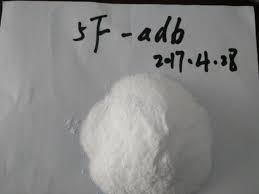
5F-ADB synthetic cannabinoid - 5FADB for Sale
CategoriesCannabinoids,  Synthetic Cannabinoids

5F‑ADB: Potent Synthetic Cannabinoid

5F‑ADB: Understanding a Potent Synthetic Cannabinoid

5F-ADB synthetic cannabinoid  -Introduction

5F-ADB synthetic cannabinoid have emerged as one of the most concerning categories of novel psychoactive substances (NPS) in recent years. Among them, 5F‑ADB (also known as 5F‑MDMB‑PINACA) stands out for its potency and unpredictable effects. Unlike natural cannabis, which contains THC and CBD, synthetic cannabinoids are laboratory‑made chemicals designed to mimic THC’s psychoactive properties. However, they often bind more strongly to cannabinoid receptors, producing far more intense — and sometimes dangerous — outcomes.

This article explores what 5F‑ADB is, how it works, who encounters it, where it is found, why it matters, when it emerged, and the risks and legal challenges surrounding it.

What is 5F‑ADB?

5F‑ADB is a synthetic cannabinoid belonging to the indazole‑based family of compounds. Its full chemical name is methyl (S)-2-[1-(5-fluoropentyl)-1H-indazole-3-carboxamido]-3,3-dimethylbutanoate. In simpler terms, it is a man‑made molecule engineered to interact with the body’s endocannabinoid system, the same system that responds to THC in cannabis.

Unlike THC, which produces a relatively predictable range of effects, 5F‑ADB is highly potent and can cause extreme reactions even at very small doses. This unpredictability makes it particularly dangerous, as users often have no way of knowing the strength or purity of the product they are consuming.

Who Encounters 5F‑ADB?

5F‑ADB is not approved for medical use. Instead, it is most often encountered by:

  • Law enforcement agencies: Detecting it in seized “spice” or “herbal incense” products.
  • Forensic toxicologists: Identifying it in biological samples during investigations of intoxication or overdose.
  • Public health researchers: Studying its impact on communities and drug trends.
  • Consumers: Often unknowingly ingesting it when buying unregulated synthetic cannabis products marketed under misleading labels.

Because synthetic cannabinoids are frequently sold online or in informal markets, users may believe they are purchasing a legal or safer alternative to cannabis. In reality, they are exposing themselves to a high‑risk, unregulated substance.

Where is 5F‑ADB Found?

5F‑ADB has been detected across Europe, North America, and Asia, often sold online as a “research chemical” or disguised as herbal blends. It typically appears in two forms:

  • Powder: Used by distributors to spray onto plant material.
  • Plant material: Marketed as “spice” or “herbal incense,” then smoked by consumers.

Because the distribution occurs through unregulated markets, products may be mislabeled, contaminated, or mixed with other synthetic cannabinoids. This lack of quality control increases the risk of overdose and severe adverse effects.

Why is 5F‑ADB Important to Study?

Studying 5F‑ADB is critical for several reasons:

  • Public health: Hospitals report cases of severe intoxication, seizures, and even fatalities linked to synthetic cannabinoids.
  • Forensic science: Identifying 5F‑ADB helps track emerging drug trends and supports law enforcement investigations.
  • Drug policy: Understanding its risks informs scheduling decisions and international regulation.
  • Scientific research: Examining how 5F‑ADB interacts with cannabinoid receptors expands knowledge of the endocannabinoid system.

In short, 5F‑ADB is not just another designer drug — it is a serious public health concern that requires ongoing monitoring and research.

When Did 5F‑ADB Emerge?

5F‑ADB first appeared in 2014–2015, detected in Europe as part of the growing wave of synthetic cannabinoids. Within a few years, it spread globally through online “legal high” markets. By the late 2010s, forensic laboratories reported 5F‑ADB as one of the most frequently encountered synthetic cannabinoids in toxicology cases.

Its rapid spread highlights the challenge of regulating NPS: as soon as one compound is banned, new variations often appear to replace it.

How Does 5F‑ADB Work?

Mechanism

5F‑ADB binds strongly to CB1 receptors in the brain and CB2 receptors in the immune system. This overstimulation disrupts normal neurotransmitter activity, leading to unpredictable psychoactive effects.

Effects

Users may experience:

  • Euphoria
  • Altered perception
  • Relaxation or sedation
  • Heightened sensory awareness

Adverse Effects

However, the risks are far greater than those of natural cannabis:

  • Severe anxiety and paranoia
  • Hallucinations and psychosis
  • Seizures
  • Cardiovascular collapse
  • Risk of overdose due to unpredictable potency

Because synthetic cannabinoids like 5F‑ADB are often much stronger than THC, even a small dose can trigger life‑threatening reactions.

Legal Status of 5F‑ADB

Governments worldwide have moved to control 5F‑ADB:

  • United States: Schedule I (no medical use, high abuse potential).
  • United Kingdom: Class B controlled substance.
  • Germany: Anlage II (restricted trade, not prescribable).
  • Canada: Schedule II.
  • Brazil: Class F2 (prohibited psychotropics).
  • International: Listed under Schedule II of the 1971 Convention on Psychotropic Substances.

This widespread regulation reflects the serious risks associated with 5F‑ADB and the need to limit its availability.

Risks and Challenges

Unregulated Distribution

Products containing 5F‑ADB are often mislabeled or contaminated, leaving users unaware of what they are consuming.

Health Risks

Adverse effects range from mild anxiety to severe intoxication, seizures, and death. Emergency departments have reported multiple cases linked to synthetic cannabinoids.

Legal Consequences

Possession, sale, or distribution of 5F‑ADB can result in criminal charges depending on jurisdiction.

Limited Research

Because 5F‑ADB is relatively new, its long‑term effects remain poorly understood. This lack of data makes it difficult for health professionals to predict outcomes or develop treatment protocols.

5F-ADB synthetic cannabinoid

5F‑ADB is a highly potent synthetic cannabinoid that poses serious health risks and is tightly controlled worldwide. Unlike natural cannabis, its unpredictable potency and unregulated distribution make it dangerous. Researchers, policymakers, and law enforcement continue to monitor its spread as part of the broader challenge posed by novel psychoactive substances. Buy GBL Online

For readers, the key takeaway is clear: 5F‑ADB is not a safe alternative to cannabis. Its risks far outweigh any perceived benefits, and its presence in unregulated markets underscores the importance of awareness, education, and regulation. K2 Spice Paper for Sale

Frequently Asked Questions About 5F‑ADB

Is 5F‑ADB legal?

No. 5F‑ADB is classified as a controlled substance in most countries. In the United States, it falls under Schedule I, meaning it has no accepted medical use and a high potential for abuse. The United Kingdom lists it as a Class B drug, while Canada places it under Schedule II. Other countries, including Germany and Brazil, also restrict its trade and possession. Internationally, it is listed under Schedule II of the 1971 Convention on Psychotropic Substances.

How is 5F‑ADB different from cannabis?

While both act on cannabinoid receptors, 5F‑ADB is synthetic and far more potent than THC, the active compound in cannabis. Natural cannabis has a relatively predictable effect profile, but synthetic cannabinoids like 5F‑ADB can cause severe and unpredictable reactions, including seizures, psychosis, and cardiovascular collapse.

5F-ADB synthetic cannabinoid

Can 5F‑ADB cause overdose?

Yes. Because of its high potency and unregulated distribution, even small amounts can trigger overdose symptoms. Emergency departments have documented cases of severe intoxication and fatalities linked to synthetic cannabinoids, including 5F‑ADB.

Public Health Perspective

Synthetic cannabinoids such as 5F‑ADB pose a unique challenge for public health systems. Unlike traditional drugs, they often appear suddenly, spread quickly through online markets, and evade regulation until authorities catch up. This rapid cycle makes it difficult for health professionals to prepare treatment protocols or educate communities in time.

Public health agencies emphasize the importance of awareness campaigns, especially targeting young people who may experiment with “legal highs” without understanding the risks. Education about synthetic cannabinoids can reduce experimentation and prevent hospitalizations.

Moreover, forensic laboratories play a critical role in identifying new compounds like 5F‑ADB. Their findings inform policymakers, enabling faster scheduling decisions and international cooperation to restrict dangerous substances.

Alpha‑PiHP synthetic cathinone
Categoriessynthetic cathinone

Alpha‑PiHP Synthetic Cathinone

Alpha‑PiHP: Understanding a Synthetic Cathinone

Introduction

Alpha‑PiHP (α‑Pyrrolidinohexiophenone) is a synthetic cathinone that has appeared in forensic and toxicological reports as part of the growing class of novel psychoactive substances (NPS). These compounds are often referred to as “designer drugs” because they are chemically engineered to mimic the effects of controlled stimulants while initially evading regulation. Alpha‑PiHP has been studied for its pharmacological profile, risks, and prevalence in unregulated drug markets. Buy Buy MIPT Research Chemical

This blog post provides an educational overview of alpha‑PiHP, answering key WH questions to help readers understand what it is, why it matters, and how it is being addressed by researchers and policymakers.

What is Alpha‑PiHP?

Alpha‑PiHP, also known as α‑Pyrrolidinoisohexanophenone, is a stimulant drug belonging to the cathinone class. Cathinones are chemically related to cathinone, a naturally occurring stimulant found in the khat plant. Alpha‑PiHP acts as a norepinephrine‑dopamine reuptake inhibitor (NDRI), meaning it increases levels of these neurotransmitters in the brain, leading to stimulant effects.

Chemical Profile of Alpha‑PiHP

Chemists identify alpha‑PiHP with the formula C16H23NO and a molar mass of 245.36 g/mol. People usually encounter it as a white powder or crystalline solid.

Who Encounters Alpha‑PiHP?

Regulators have not approved alpha‑PiHP for medical use. Law enforcement, forensic scientists, and public health researchers most often encounter it when they investigate unregulated drug markets or analyze toxicology cases.

  • Law enforcement agencies: during seizures of unregulated psychoactive substances.
  • Forensic toxicologists: analyzing biological samples in cases of suspected intoxication.
  • Public health researchers: studying the impact of synthetic cathinones on communities.
  • Policy makers: considering scheduling and regulation of emerging substances.

Consumers who encounter alpha‑PiHP are typically individuals seeking stimulant effects similar to other synthetic cathinones. However, because it is unregulated, its purity, dosage, and safety are highly uncertain.

Where is Alpha‑PiHP Found?

Researchers and law enforcement agencies detect Alpha‑PiHP in Europe, North America, and Asia, where sellers often market it online as a “research chemical.” Distributors sometimes mislabel the product or mix it with other substances, which increases the risks for consumers.

Since regulators have not legally approved alpha‑PiHP, unregulated markets distribute it, making its availability unpredictable and potentially dangerous.

This makes it difficult to track, and increases risks for consumers who may not know what they are ingesting.

Why is Alpha‑PiHP Important to Study?

Studying alpha‑PiHP is critical for several reasons:

  • Public Health Risks: Synthetic cathinones can cause severe cardiovascular, neurological, and psychological effects.
  • Forensic Identification: Detecting alpha‑PiHP in biological samples helps medical professionals respond to intoxication cases.
  • Drug Policy: Understanding its prevalence informs regulatory decisions.
  • Scientific Knowledge: Research into alpha‑PiHP expands understanding of synthetic cathinone chemistry and pharmacology.

The World Health Organization (WHO) reviewed alpha‑PiHP in 2022, noting its presence in unregulated markets and potential risks.

When Did Alpha‑PiHP Emerge?

Alpha‑PiHP began appearing in forensic case reports in the mid‑2010s, alongside other synthetic cathinones such as α‑PVP and α‑PHP. Its emergence coincided with the rise of novel psychoactive substances (NPS) marketed online as “legal highs.”

By 2022, more than 1,100 NPS had been identified globally, with alpha‑PiHP among them.

How Does Alpha‑PiHP Work?

Alpha‑PiHP acts as a stimulant by inhibiting the reuptake of dopamine and norepinephrine. Reported effects include:

  • Increased alertness and energy
  • Elevated heart rate and blood pressure
  • Euphoria or agitation

However, adverse effects may include:

  • Anxiety, paranoia, or hallucinations
  • Cardiovascular stress
  • Risk of overdose

Because alpha‑PiHP is unregulated, its dosage and purity vary widely, making its effects unpredictable and potentially dangerous.

Legal Status of Alpha‑PiHP

Alpha‑PiHP is controlled under various national laws:

  • Brazil: Class F2 (Prohibited psychotropics)
  • Canada: Schedule I
  • Germany: Anlage II (authorized trade only, not prescribable)
  • United Kingdom: Class B
  • International Regulation of Alpha‑PiHP

    International authorities list alpha‑PiHP under Schedule II of the 1971 Convention on Psychotropic Substances. This classification highlights its controlled status and the global concern surrounding its use.

    Risks and Challenges

    Alpha‑PiHP poses several risks, including:

    • Unregulated distribution: Sellers often mislabel products or contaminate them with other substances, creating serious safety concerns.

    Health risks: Cardiovascular and neurological effects can be severe.

  • Legal consequences: Possession or sale may be illegal depending on jurisdiction.
  • Lack of research: Limited scientific data makes it difficult to fully understand long‑term effects.

Conclusion

Alpha‑PiHP is a synthetic cathinone that has emerged as part of the growing wave of novel psychoactive substances. While it acts as a stimulant, its unregulated nature, unpredictable effects, and legal restrictions make it a substance of concern for public health, law enforcement, and policymakers.

This blog post answers the WH questions — What alpha‑PiHP is, Who encounters it, Where it is found, Why it matters, When it emerged, and How it works — and delivers a comprehensive, SEO‑optimized overview that helps readers understand the risks and significance of this compound. Buy K2 Spice Paper Online

CategoriesPills

Buy MDMA Pills

Buy MDMA Pills: An Educative Guide to Ecstasy and Molly

MDMA, commonly known as Ecstasy or Molly, is a synthetic psychoactive drug that has gained global attention for its unique effects on mood, perception, and social behavior. While often associated with nightlife and rave culture, MDMA is also being studied in clinical settings for its potential therapeutic benefits. This blog post provides an SEO‑optimized, educational overview of MDMA pills, exploring their history, effects, risks, and ongoing medical research. Buy Tramadol Online

What Are MDMA Pills?

  • MDMA (3,4‑methylenedioxymethamphetamine) is a synthetic drug chemically similar to stimulants like methamphetamine and hallucinogens like mescaline.
  • When pressed into tablets, MDMA is commonly referred to as Ecstasy. In powder or crystalline form, it is often called Molly.
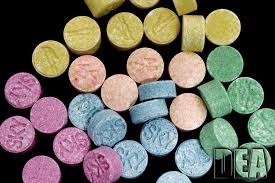
  • Pills may come in various colors, shapes, and imprints (such as logos or symbols), which are often used for branding in illicit markets.

A Brief History of MDMA

  • 1912: First synthesized by the German pharmaceutical company Merck.
  • 1970s–1980s: Gained popularity in psychotherapy for its ability to enhance emotional openness.
  • 1985: Classified as a Schedule I controlled substance in the United States, making it illegal for recreational use.
  • 1990s–2000s: Became a staple in rave and electronic dance music culture.
  • Present day: Being researched as a potential treatment for post‑traumatic stress disorder (PTSD) and other mental health conditions.

How MDMA Pills Work

MDMA primarily affects the brain’s neurotransmitters:

  • Serotonin: Boosts mood, empathy, and emotional closeness.
  • Dopamine: Increases energy and pleasure.
  • Norepinephrine: Raises heart rate and blood pressure.

This combination explains why users often report feelings of euphoria, heightened empathy, and sensory enhancement.

Short‑Term Effects of MDMA Pills

  • Positive effects: Increased sociability, emotional warmth, heightened sensory perception, and energy.
  • Negative effects: Anxiety, nausea, sweating, jaw clenching, blurred vision, and insomnia.
  • Dangerous risks: Dehydration, overheating (hyperthermia), and electrolyte imbalance, especially in crowded party environments.

Long‑Term Risks of MDMA Use

  • Neurotoxicity: Repeated use may damage serotonin neurons, affecting mood regulation.
  • Memory and cognition: Some studies suggest long‑term users experience difficulties with memory and learning.
  • Mental health: Increased risk of depression, anxiety, and sleep disturbances.
  • Physical health: Potential liver, kidney, and cardiovascular damage.

MDMA Pills and Adulteration

One of the greatest dangers of MDMA pills is adulteration:

  • Pills sold as “Ecstasy” may contain other substances such as methamphetamine, caffeine, ketamine, or synthetic cathinones (“bath salts”).
  • This makes the effects unpredictable and increases the risk of overdose or harmful interactions.

MDMA in Medical Research

Despite its risks, MDMA is being studied for therapeutic use:

  • PTSD treatment: Clinical trials show MDMA‑assisted psychotherapy may help patients process traumatic memories with reduced fear and anxiety.
  • Couples therapy: Some research explores MDMA’s ability to enhance empathy and communication.
  • FDA breakthrough therapy designation: In 2017, MDMA‑assisted therapy for PTSD received this designation, highlighting its potential medical value.

Harm Reduction and Safety Tips

While MDMA remains illegal in most countries, harm reduction strategies are important:

  • Testing kits: Reagent kits can help identify adulterants in pills.
  • Hydration: Drink water regularly, but avoid overhydration.
  • Environment: Take breaks from dancing to cool down.
  • Dosage awareness: Avoid mixing with alcohol or other drugs.

Legal Status of MDMA Pills

  • United States: Classified as a Schedule I drug (no accepted medical use, high potential for abuse).
  • Europe: Illegal in most countries, though penalties vary.
  • Global perspective: Some nations are exploring medical research exemptions for clinical trials. Buy Doozies Gummies

MDMA pills, known as Ecstasy or Molly, are powerful psychoactive substances that can profoundly alter mood, perception, and social behavior. While they carry significant risks, especially due to adulteration and long‑term health effects, MDMA is also being studied for its potential therapeutic benefits in treating PTSD and other conditions. Understanding both the dangers and the possibilities of MDMA is essential for informed decision‑making and public health awareness. Buy AK-47 Adios Liquid Spray On Paper

MDMA Pills in Popular Culture

MDMA pills have long been associated with nightlife, rave culture, and electronic dance music festivals. In the 1990s and early 2000s, Ecstasy became a symbol of the underground club scene, often linked to all‑night dancing, neon lights, and communal experiences. The drug’s ability to enhance empathy and connection made it popular among groups seeking shared emotional highs.

However, this cultural association also contributed to stigmatization. Media portrayals often emphasized extreme cases of overdose or dangerous behavior, overshadowing nuanced discussions about the drug’s effects and potential therapeutic uses. Today, MDMA remains a cultural touchstone, referenced in music, film, and art, but increasingly framed within conversations about mental health and scientific research.

Myths vs Facts About MDMA Pills

There are many misconceptions surrounding MDMA pills:

  • Myth: MDMA is always pure. Fact: Pills sold as Ecstasy often contain adulterants, making them unpredictable and risky.
  • Myth: MDMA is safe because it’s “just a party drug.” Fact: MDMA can cause dehydration, overheating, and long‑term neurological effects.
  • Myth: MDMA leads to immediate addiction. Fact: While MDMA is not considered as addictive as opioids or stimulants, repeated use can lead to psychological dependence and tolerance.
  • Myth: MDMA has no medical value. Fact: Clinical trials show promise for MDMA‑assisted therapy in treating PTSD and other conditions.

By separating myths from facts, individuals can make more informed decisions and understand both the risks and potential benefits of MDMA.

Global Perspectives on MDMA Pills

The legal and cultural status of MDMA varies worldwide:

  • United States: Classified as a Schedule I drug, but clinical trials are advancing toward possible medical approval.
  • Europe: Countries like the Netherlands and Switzerland allow limited research, while recreational use remains illegal.
  • Australia & Canada: Increasing interest in MDMA‑assisted therapy, with regulatory bodies reviewing trial data.
  • Asia & Africa: Strict prohibition, with severe penalties for possession or trafficking.

This global diversity highlights the tension between public health concerns and scientific exploration. While recreational use is widely discouraged, medical research continues to reshape the conversation.

The Future of MDMA Pills

Looking ahead, MDMA pills may play a role in transforming mental health treatment. If approved for medical use, MDMA‑assisted therapy could become a breakthrough for conditions like PTSD, where traditional treatments have limited success. At the same time, public health campaigns will need to address recreational risks, emphasizing harm reduction and education.

The future of MDMA lies in balancing scientific promise with responsible regulation. As research progresses, society may move beyond viewing MDMA solely as a party drug, recognizing its potential as a therapeutic tool while maintaining awareness of its dangers.

Final Thoughts

MDMA pills — whether called Ecstasy or Molly — remain one of the most discussed psychoactive substances in the world. Their dual identity as both a recreational drug and a potential medicine


3,4-MDMA; Ecstasy Molly; Mandy

Buy GBL Online near you
CategoriesResearch Chemicals

Buy GBL Online

Gamma‑Butyrolactone (GBL): Industrial Uses, Safety, and Regulations

Introduction

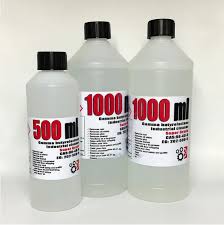
Buy GBL Online- Gamma‑Butyrolactone (GBL) is a chemical compound that has gained significant attention in both industrial and regulatory contexts. Known for its versatility as a solvent and intermediate, GBL is widely used in industries ranging from electronics to agriculture. However, its potential misuse has led to strict regulations across the globe. For businesses and researchers, understanding GBL’s legitimate applications, safety requirements, and legal framework is essential. This article explores the industrial uses of GBL, outlines best practices for safe handling, and highlights the regulatory landscape that governs its distribution and use. By the end, you’ll have a clear picture of how GBL fits into modern industry and why compliance is critical. Buy High-purity Research Chemicals Online

🛠 Industrial Applications of GBL

GBL is valued in industry for its effectiveness as a solvent and its role as a chemical intermediate.

  • Cleaning agent: GBL is widely used in removing paint, adhesives, and rust. Its strong solvency makes it a preferred choice in industrial cleaning processes.
  • Electronics industry: Circuit board manufacturers use GBL as a solvent for cleaning delicate components, ensuring precision and reliability.
  • Chemical intermediate: GBL serves as a precursor in the production of pyrrolidones, which are essential in pharmaceuticals, agrochemicals, and specialty polymers.
  • Agriculture: Certain crop protection products rely on GBL in their chemical synthesis, making it an important player in agricultural chemistry.
  • Specialty coatings: GBL’s solvency properties make it useful in producing high‑performance coatings and resins. Buy GBL Online

These applications highlight GBL’s legitimate role in industry. However, because of its potential misuse, companies must ensure that their use of GBL is strictly within approved contexts and supported by proper documentation.

⚠️ Safety Considerations

Handling GBL requires strict adherence to safety protocols.

    • Protective equipment: Workers should always wear gloves, goggles, and protective clothing when handling GBL.

    • Ventilation: Ensure storage and usage areas provide adequate ventilation to prevent inhalation risks.

    • Storage: Store GBL in sealed containers and keep it away from heat sources and incompatible chemicals.

    • Training: Train employees in proper chemical handling procedures and emergency response.

  • Spill management: Facilities should have spill kits and protocols in place to contain and neutralize accidental releases.

By following these guidelines, businesses can minimize risks and ensure compliance with occupational safety standards. Safety is not just about protecting workers — it also safeguards the environment and ensures regulatory compliance.

Global Regulations

GBL’s dual nature — valuable industrial chemical but potential for misuse — has led to strict regulations worldwide.

  • United States: GBL is regulated under the Controlled Substances Act when intended for human consumption. Industrial use requires compliance with chemical handling laws.
  • European Union: GBL is classified as a regulated precursor chemical. Companies must maintain records of purchase, use, and distribution.
  • Asia: Countries like China and Japan impose licensing requirements for import and export.
  • International trade: Many nations require permits for cross‑border shipments of GBL, and violations can result in severe penalties.

For businesses, compliance means more than just following the law — it ensures credibility and protects against reputational damage. Staying updated on regulatory changes is essential, as laws evolve to address new challenges in chemical misuse. Buy K2 Spice Paper Online

Use these keywords naturally in headings, meta descriptions, and throughout the text. Internal links to related topics (e.g., “safe chemical handling practices” or “industrial solvents comparison”) will strengthen SEO. Adding alt text to images and ensuring mobile‑friendly formatting will further improve ranking.

✅ Conclusion

Gamma‑Butyrolactone (GBL) is a powerful industrial chemical with diverse applications, from cleaning agents to chemical intermediates. However, its potential misuse has led to strict global regulations. For businesses, the key to success lies in responsible handling, adherence to safety protocols, and compliance with legal frameworks. By understanding GBL’s legitimate uses and the importance of regulation, companies can harness its benefits while avoiding risks. In today’s regulatory environment, knowledge and compliance are not optional — they are essential for sustainable and responsible operations.

Tramadol painkiller risks and benefits infographic
CategoriesPills,  purchase tramadol online

Tramadol Painkiller Risks and Benefits

Tramadol: Uses, Risks, and What You Need to Know

Introduction

Tramadol Painkiller Risks and Benefits- Tramadol is one of the most prescribed opioid painkillers worldwide. Marketed as a “safer” alternative to stronger opioids, it has been used for decades to treat moderate to moderately severe pain. However, recent research suggests that Tramadol’s reputation may not match reality. While it can provide some relief, the benefits are often modest, and the risks—including heart problems and dependence—are significant. Buy Tramadol Online

This article explores what Tramadol is, how it works, its benefits, risks, and safer alternatives, giving you a complete picture of this controversial medication.

What is Tramadol?

  • Definition: Tramadol is a synthetic opioid analgesic.
  • Mechanism: It binds to opioid receptors in the brain and also inhibits serotonin and norepinephrine reuptake, altering how the body perceives pain.
  • Common Uses: Prescribed for chronic pain conditions such as arthritis, back pain, fibromyalgia, and post‑surgical recovery. Buy Gamma-Butyrolactone
  • Forms: Available in tablets, capsules, and extended‑release formulations.

Tramadol Painkiller Risks and Benefits

Despite growing concerns, Tramadol does have recognized medical uses:

  • Pain Relief: Provides short‑term reduction in moderate pain.
  • Accessibility: Widely available and often prescribed when other painkillers fail.
  • Dual Action: Works both as an opioid and as a serotonin/norepinephrine reuptake inhibitor, which some doctors believe makes it versatile.
  • Perceived Safety: Marketed as less addictive compared to stronger opioids like morphine or oxycodone.

Risks and Side Effects

Recent large‑scale reviews show that Tramadol’s potential harms may outweigh its benefits.

Common Side Effects

  • Nausea
  • Dizziness
  • Sleepiness
  • Constipation

Serious Risks

  • Limited Effectiveness: Studies reveal pain relief is modest, sometimes barely noticeable.
  • Heart Risks: Linked to chest pain, heart failure, and other cardiovascular issues.
  • Dependence and Withdrawal: Despite being considered “safer,” Tramadol can still cause addiction and withdrawal symptoms.
  • Seizures: Higher doses increase the risk of seizures.
  • Serotonin Syndrome: When combined with antidepressants, Tramadol can cause dangerous serotonin overload.

Expert Warnings

A major review published in BMJ Evidence‑Based Medicine concluded that Tramadol may do more harm than good. Researchers found:

  • Pain relief was minimal—so small that many patients likely wouldn’t notice much real‑world benefit.
  • Risks included significantly higher chances of heart disease, chest pain, and heart failure.
  • The potential harms probably outweigh the benefits, leading experts to recommend minimizing Tramadol’s use. Buy 500 Pages K2 Spice Spray Book

Tramadol vs. Other Painkillers

Painkiller Effectiveness Risks Typical Use
Tramadol Modest pain relief Heart risks, dependence, seizures Chronic moderate pain
Ibuprofen Effective for inflammation Stomach irritation, ulcers Arthritis, muscle pain
Acetaminophen Good for mild pain Liver damage at high doses Headaches, mild pain
Morphine Strong pain relief High addiction risk Severe pain, cancer pain
CBD (where legal) Promising for chronic pain Mild side effects Alternative therapy

Safer Alternatives

Patients and healthcare providers are exploring alternatives to Tramadol:

  • Non‑opioid painkillers: Ibuprofen, acetaminophen.
  • Physical therapy: Exercise, stretching, and rehabilitation.
  • Lifestyle changes: Diet, stress reduction, sleep hygiene.
  • Other medications: CBD‑based treatments in regions where legal.
  • Multimodal pain management: Combining physical therapy, counseling, and non‑opioid drugs.

Patient Considerations

If you are prescribed Tramadol:

  • Consult your doctor: Never start or stop Tramadol without medical advice.
  • Avoid mixing with alcohol or antidepressants: This increases risks of seizures and serotonin syndrome.
  • Monitor side effects: Report chest pain, dizziness, or unusual symptoms immediately.
  • Short‑term use only: Experts recommend limiting Tramadol to short courses, not long‑term therapy.

Conclusion

Tramadol remains a common prescription, but growing evidence suggests caution. Its modest pain relief may not justify the risks, especially with safer alternatives available. Recent studies conclude that Tramadol’s harms probably outweigh its benefits.

If you’re considering Tramadol, consult a healthcare professional to weigh the benefits against potential harms. Safer alternatives like non‑opioid painkillers, physical therapy, and lifestyle changes may provide better long‑term relief without the risks. Buy Doozies Gummies Online

Tramadol Painkiller: Complete Guide to Uses, Risks, Side Effects, Addiction Concerns, Heart Health Warnings, Safer Alternatives, and Expert Insights for Managing Chronic Pain Effectively Without Relying on High‑Risk Opioid Medications

Global Use and History of Tramadol

Tramadol was first developed in Germany in the late 1970s and quickly gained popularity as a “safer” opioid alternative. By the 1990s, it had spread worldwide, marketed under brand names such as Ultram and ConZip. Its appeal came from claims that it was less addictive than morphine, making it a go‑to prescription for chronic pain.

However, as usage grew, so did reports of dependence, withdrawal, and misuse. In some countries, Tramadol became a major public health issue, with rising cases of recreational abuse. For example, in parts of Africa and the Middle East, Tramadol is widely misused as a stimulant or mood enhancer, leading to tighter regulations.

⚖️ Legal Status and Regulation

  • United States: Classified as a Schedule IV controlled substance, meaning it has recognized medical use but carries risk of abuse.
  • European Union: Regulations vary, but many countries restrict prescriptions due to safety concerns.
  • Africa & Asia: In several regions, Tramadol is tightly controlled because of widespread misuse.

This patchwork of regulations reflects the controversy around Tramadol: some doctors see it as a useful tool, while public health experts warn of its dangers.

👩‍⚕️ Patient Perspectives

Patients often report mixed experiences:

  • Some find Tramadol provides relief when other painkillers fail.
  • Others experience side effects like dizziness, nausea, or withdrawal symptoms after stopping.
  • A growing number of patients feel misled, believing Tramadol was “safe,” only to discover its addictive potential.

These stories highlight the importance of patient education. Many experts argue that patients should be fully informed about risks before starting Tramadol.

Why Tramadol Remains Popular

Despite warnings, Tramadol continues to be prescribed because:

  • It’s cheaper than many alternatives.
  • Doctors sometimes see it as a middle ground between mild painkillers and stronger opioids.
  • Pharmaceutical marketing historically emphasized its “safety,” shaping perceptions among both doctors and patients.

 Final Thoughts

Tramadol’s journey from “safe opioid” to “controversial painkiller” shows how medical reputations can change with new evidence. While it still has a role in pain management, its risks—including heart problems, dependence, and limited effectiveness—make it a drug that should be used cautiously and only under strict medical supervision.

For patients, the key takeaway is clear: always consult a healthcare professional, explore safer alternatives, and weigh short‑term relief against long‑term risks.


5fadb for sale- https://legitchemsales.com/product/buy-5f-adb/
CategoriesSynthetic Cannabinoids

5F‑ADB for sale

Understanding 5F‑ADB: An Educational Overview

Introduction

In recent years, synthetic cannabinoids have emerged as substances of concern worldwide. One of the most notable compounds in this category is 5F‑ADB, also known as 5F‑MDMB‑PINACA. This blog post provides an educational overview of Buy 5F‑ADB — explaining what it is, how it has been encountered, and why it is considered dangerous.

What is 5F‑ADB?

  • Chemical identity: 5F‑ADB is a synthetic cannabinoid belonging to the indazole‑based family of compounds.
  • Other names: It is also referred to as MDMB‑5F‑PINACA or 5F‑MDMB‑PINACA.
  • Structure: It was designed to mimic the effects of THC, the active ingredient in cannabis, but is chemically distinct. Buying K2 Infused Paper

Where Has 5F‑ADB Been Found?

  • Market presence: 5F‑ADB has been detected in herbal incense products and smoking mixtures marketed as “legal highs”.
  • Global spread: Law enforcement agencies across Europe, North America, and Asia have reported seizures of products containing 5F‑ADB.

Why is 5F‑ADB a Concern?

  • Potency: 5F‑ADB is considered extremely potent compared to natural cannabinoids.
  • Health risks: There are no approved medical uses, and reported effects include severe intoxication, respiratory depression, and fatalities.
  • Unpredictability: Synthetic cannabinoids often vary in strength and purity, making them dangerous for users.

When Did 5F‑ADB Emerge?

  • Timeline: 5F‑ADB began appearing in the designer drug market around 2014–2015.
  • Regulation: By 2017, international health agencies such as the WHO Expert Committee on Drug Dependence had reviewed its risks and recommended control measures.

How is 5F‑ADB Classified Legally?

  • United States: Schedule I controlled substance (no accepted medical use, high abuse potential).
  • United Kingdom: Class B controlled drug.
  • Germany: Anlage II (restricted trade, not prescribable).
  • Other countries: Many nations have banned or restricted synthetic cannabinoids, including 5F‑ADB.

Educational Takeaways

  • 5F‑ADB is not safe for human use.
  • It has no medical or commercial applications.
  • Its presence in “herbal incense” or “legal high” products is misleading and dangerous.
  • Understanding synthetic cannabinoids like 5F‑ADB is crucial for public health awareness.

Order top-quality 5cl adb a online

Conclusion

5F‑ADB is a synthetic cannabinoid that poses significant health and safety risks. While it has appeared in the designer drug market, it is now widely banned due to its potency and harmful effects. This educational overview highlights why awareness of substances like 5F‑ADB is essential for communities, policymakers, and health professionals.

Synthetic Cannabinoids for sale - Pure Cannabinoids for sale. https://legitchemsales.com/product-category/cannabinoids/
CategoriesSynthetic Cannabinoids

Synthetic Cannabinoids For Sale

Understanding Synthetic Cannabinoids: Risks, Uses, and Reality

Synthetic cannabinoids, sometimes marketed as K2 or Spice, are man‑made substances that interact with the same brain receptors as THC, the psychoactive compound in cannabis. While they were originally developed for research and potential medical applications, many synthetic cannabinoids are now illicitly manufactured and sold, often sprayed onto dried plant material or packaged in liquid form for vaping.

 What They Are

  • Lab‑made chemicals: Designed to bind to cannabinoid receptors in the brain.
  • Forms of use: Sprayed onto herbal mixtures for smoking or sold as liquids for vaping.
  • Names: Commonly marketed as K2, Spice, or other “herbal incense” products.
  • Accessibility: Often sold online or in shops as cheaper, seemingly legal alternatives to cannabis. High-Purity Etizolam  Online

 Health Risks

  • Unpredictable effects: Unlike cannabis, synthetic cannabinoids can overstimulate receptors, leading to severe reactions.
  • Reported problems: Anxiety, paranoia, hallucinations, rapid heart rate, vomiting, and in extreme cases, seizures or death.
  • Detection issues: Many synthetic cannabinoids are not picked up by routine drug tests, making them appealing to some users but more dangerous.
  • Addiction potential: Repeated use can lead to dependence and withdrawal symptoms.

Comparison Table

Substance Source Typical Effects Risks
Cannabis (THC) Natural plant Relaxation, altered perception Anxiety, impaired memory
Synthetic cannabinoids (K2/Spice) Lab‑made Unpredictable, intense highs Seizures, psychosis, death
CBD (Cannabidiol) Natural plant Non‑psychoactive, calming Generally safe, mild side effects

Global Context

The United Nations Office on Drugs and Crime (UNODC) has highlighted synthetic cannabinoids as a major public health concern, noting their rapid spread through online markets and their role in emergency hospitalizations worldwide. Many countries have moved to ban or strictly regulate them, but manufacturers often tweak chemical structures to evade laws.

Key Takeaway

Synthetic cannabinoids are not safe alternatives to cannabis. Their unpredictable potency, severe health risks, and lack of regulation make them dangerous substances. While some were developed for legitimate research, their widespread misuse has turned them into a global health issue.

Add to cart